
War and Conflict
War is a fatal fact of the human condition, with more than enough complex questions for food and agriculture. Already, Russia’s invasion of Ukraine is disrupting Ukrainian wheat exports to the Middle East, which could potentially exacerbate food price rises to levels not seen since the Arab Spring.
We commissioned, edited and completed this issue long before Russia’s invasion of Ukraine amounted to anything more than suspicions and reports of troop build-ups on the border. We’ll address the food and agricultural implications of this conflict — as well as those in Syria, Yemen and Tigray, among others — through our social media channels.
In this issue, we reflect on the past and look forward to the future. Sylvio Martins asks whether we could recreate the do-it-yourself agrarian experience of WW2 Britain should global conflict break out, while Jennie Long deconstructs fascist Italy’s war on pasta and working-class women. Adhiambo Edith Magak’s reporting on warring pastoralists and malnutrition in Kenya shows that the climate crisis wars are already here.
There’s innovation — in technology, in the mind and on the ground — in this issue, too. Sharlene Gandhi reveals how blockchain technology is being used in food aid, and looks at how it could improve access to food for refugees and displaced people. Likam Kyanzaire tells the story of Syria’s Kurdish rebels, who — on land taken from the brutal Assad government — are applying their revolutionary approach to ecology and agriculture.
Conflict is constant — we hope this issue can provide readers with different ways of engaging with it.
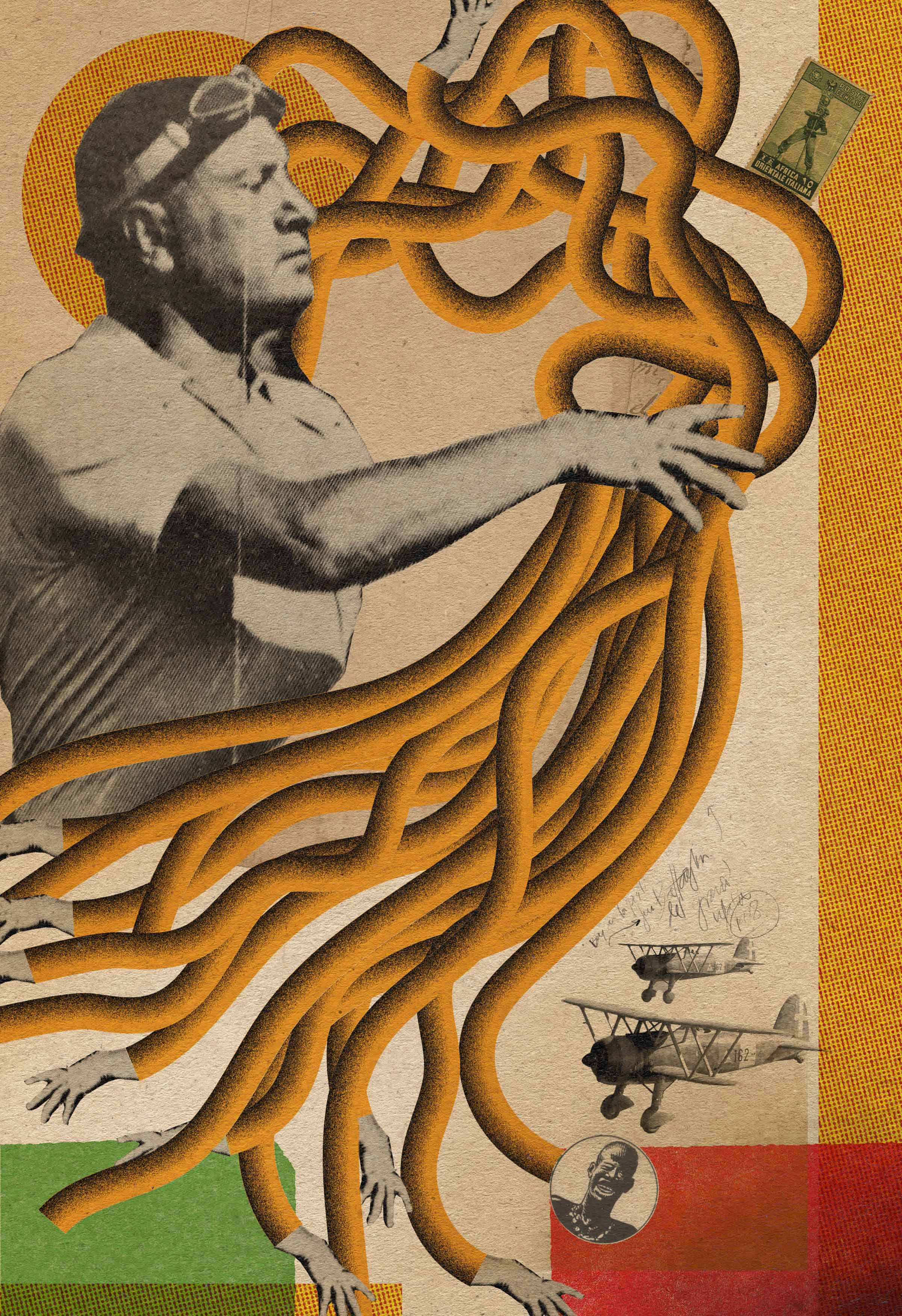
From Mussolini’s rise to power until the fall of his fascist regime, Il Duce sought to establish total control over all spheres of life — including food and the kitchen. But after forcing the country to abandon pasta in favour of rice, he only succeeded in turning working-class women against the state and destroying the country’s health.
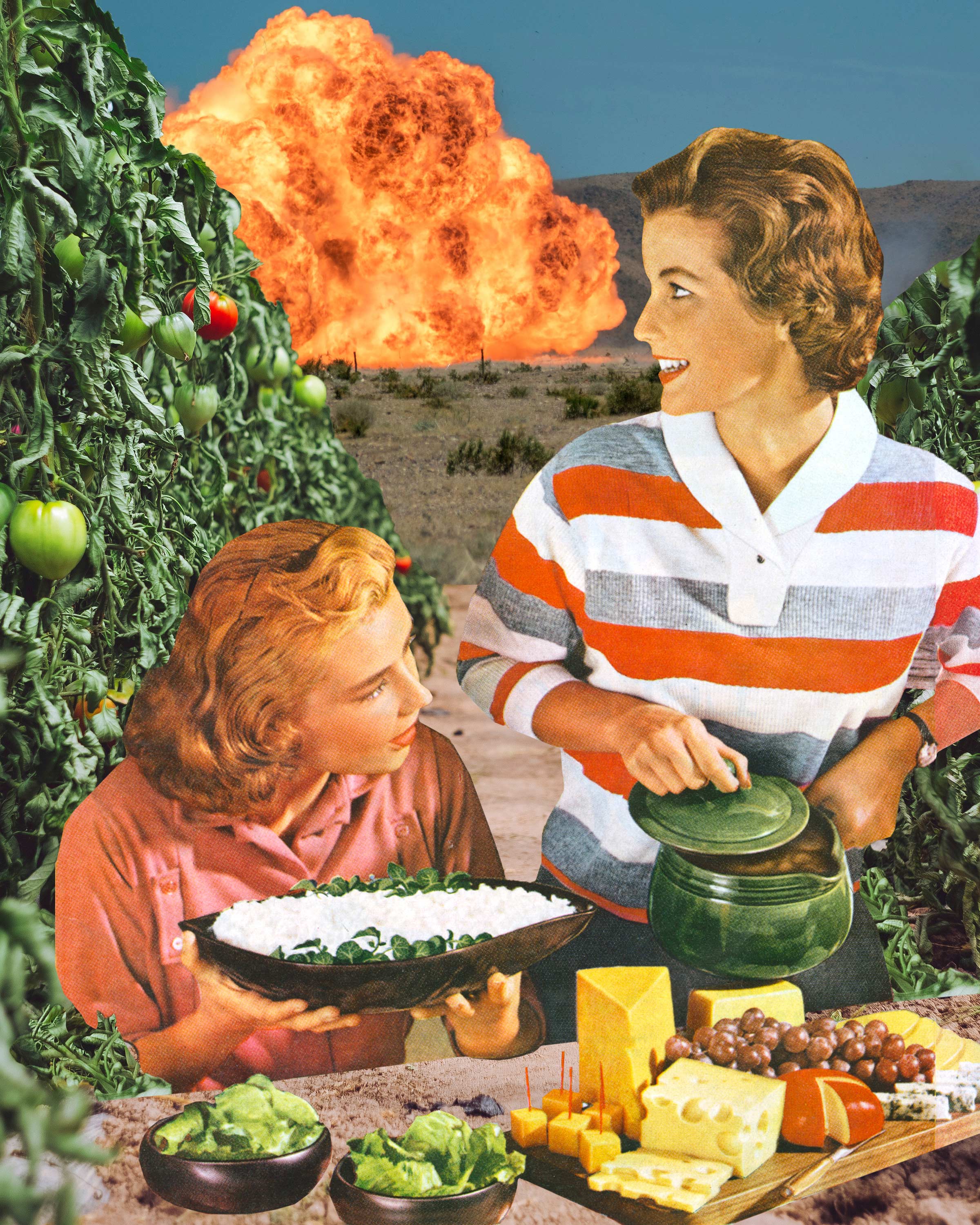
During WW2, Brits mobilized to feed themselves and feed the nation by planting and growing food at home. Decades of industrialization have separated us from our food supply, and we’re once again at the brink of global war. The question is, could we replicate that effort again now?
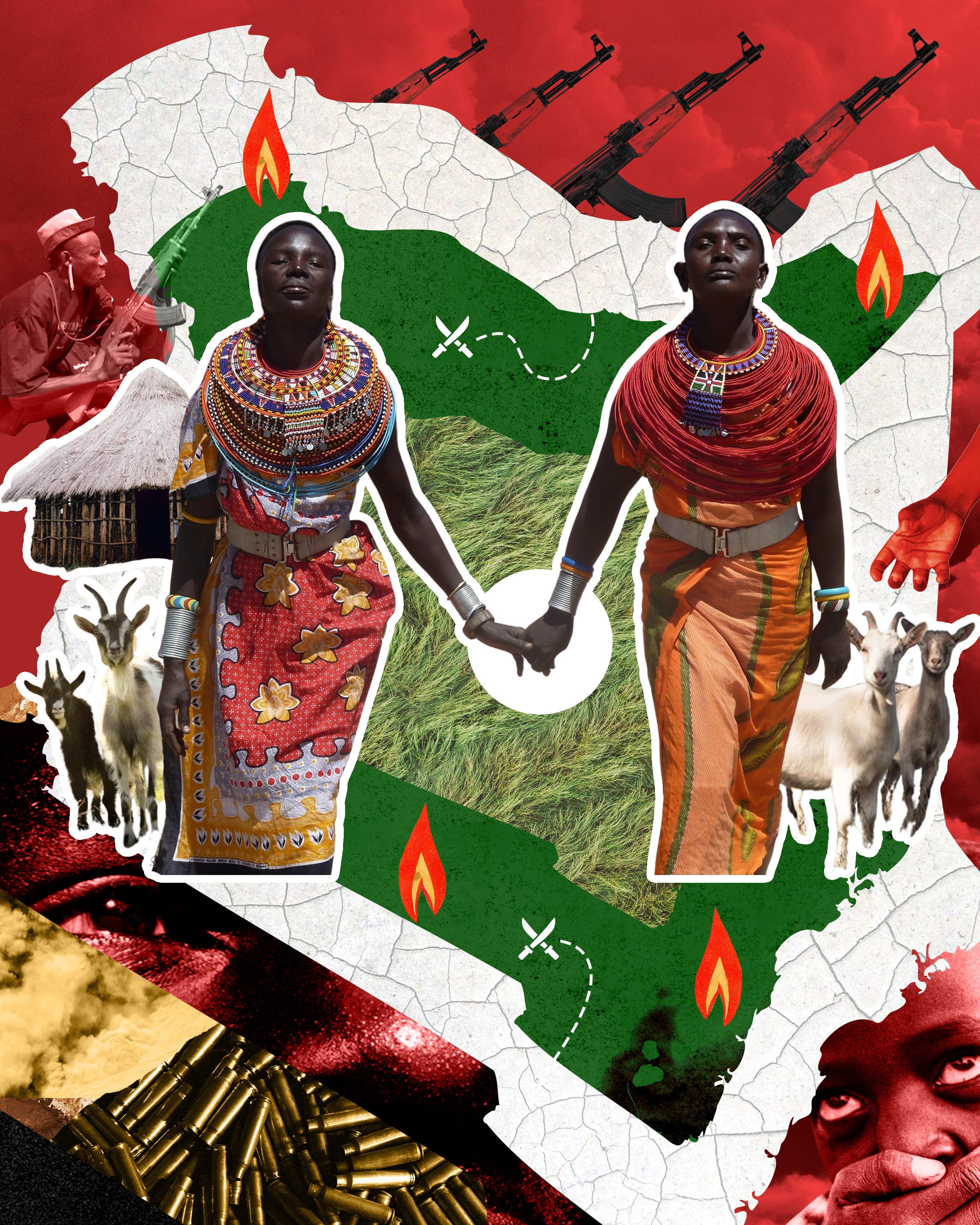
The climate crisis has brought locusts and droughts to the Kenyan Arid and Semi-Arid Lands, putting pastoralists in conflict with each other as they search for good pasture land. It’s resulted in the displacement of thousands and a growing malnutrition crisis, which shows no sign of abating.
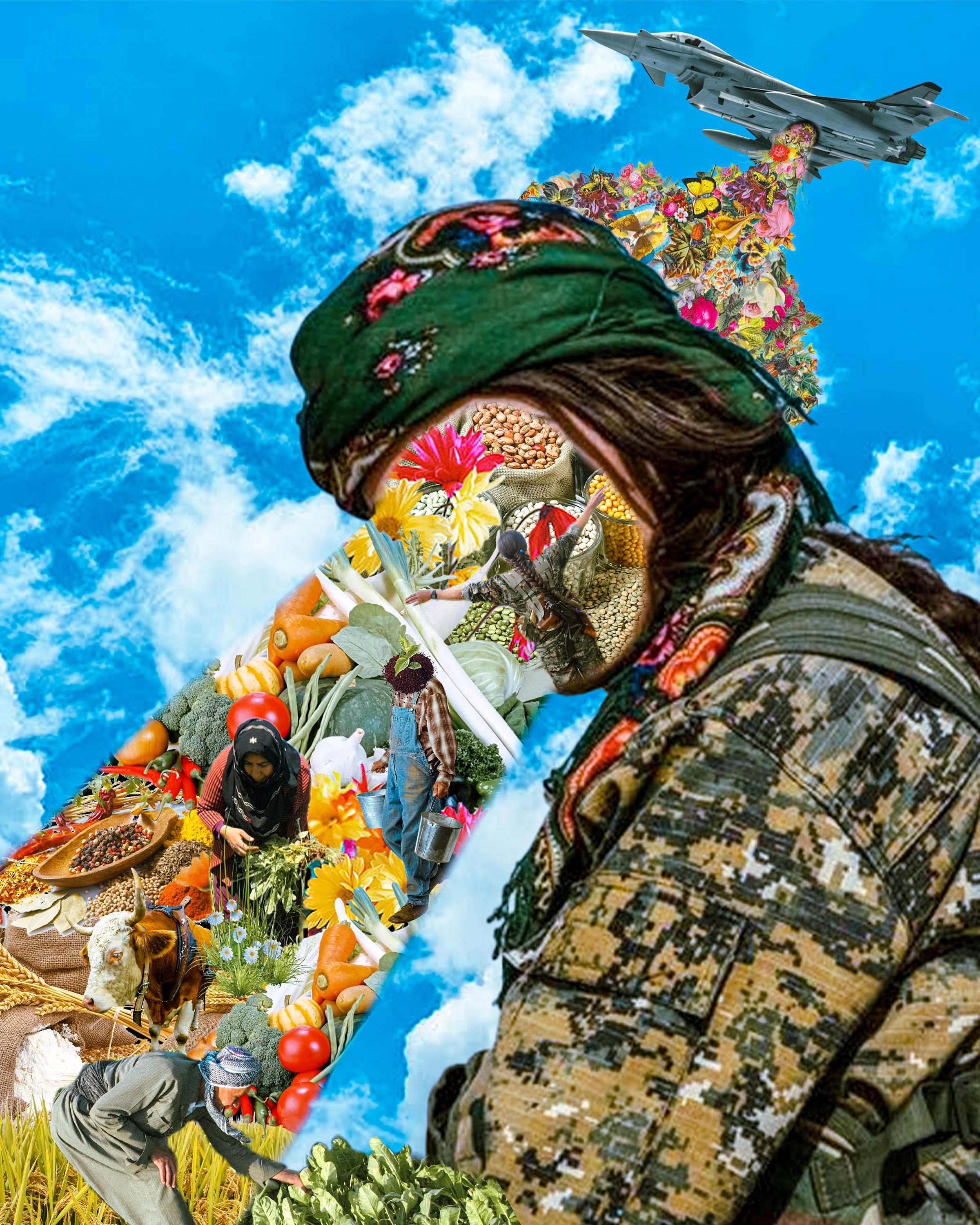
Syria’s Kurdish community have had to wait a long time for land of their own, and they are not letting the opportunity go to waste. Since seizing land from the regime during Syria’s 11-year war, they’ve ditched the state’s policy of growing cash crops and set up a range of co-operatives instead. Now, with power in the hands of the people, the policy is slowly starting to bear fruit.
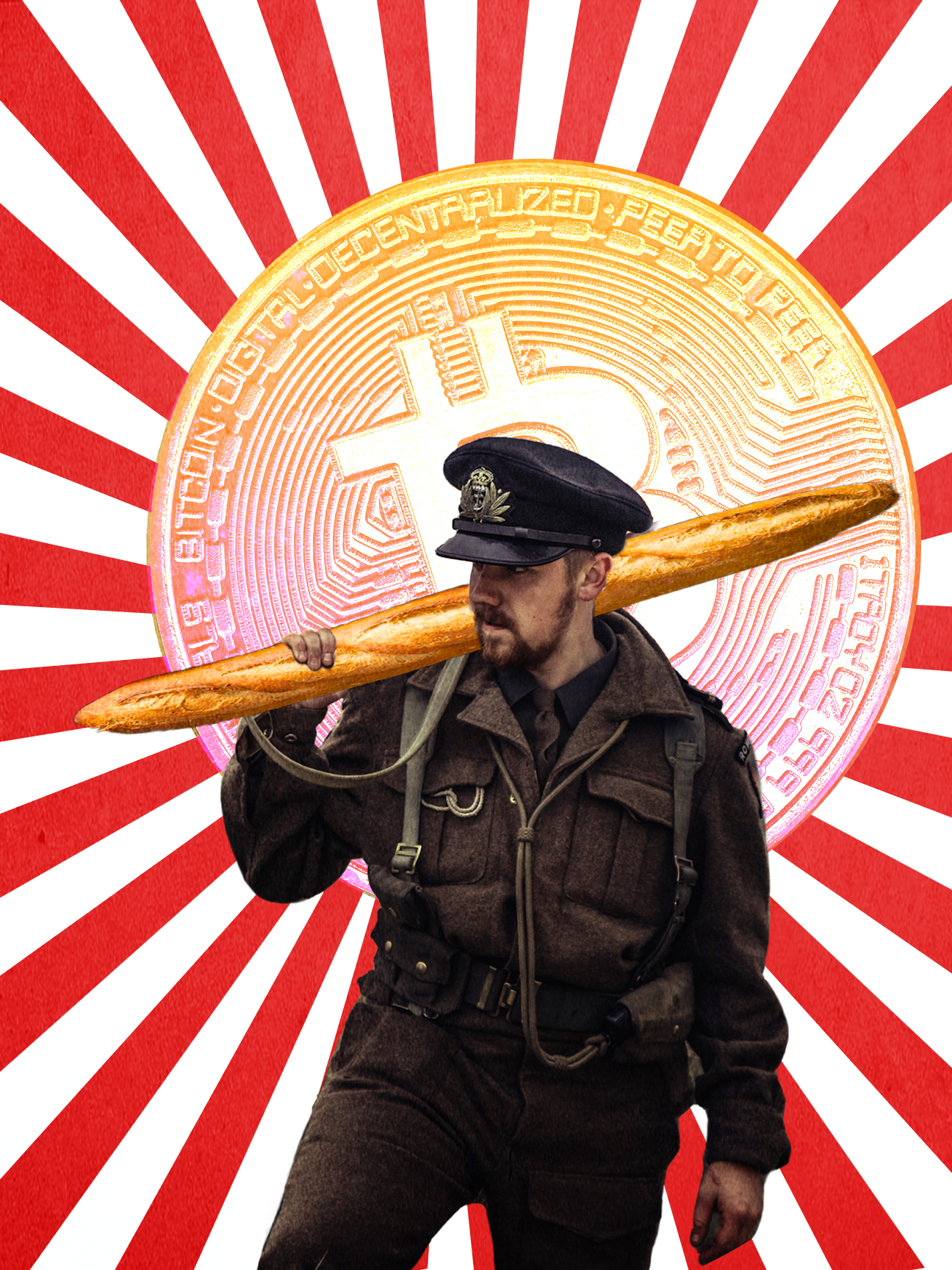
Blockchain has helped make food vouchers readily accessible for some refugees and displaced people, but it is unclear just how effective it can be. The technology is often viewed as a catch-call solution, but raises as many questions as it solves when it comes to food and humanitarian aid.
