
Sport
Sport has a funny relationship with food. Elite sports players and athletes fine tune their diets to the finest detail, cultivating their nutrition plans to boost energy levels, improve recovery, and give them an added advantage in their particular area.
But at the event or game they’re starring in, they’re likely surrounded by fast food advertising. It might be emblazoned somewhere on their kit, too. Or, in the case of certain energy drinks companies, it might be an owner of one of the teams; or sponsoring the event where they’re watched by spectators eating — yep, you guessed it — fast food!
This is a well-worn contradiction. Sliced set out to take this theme forward, conscious of the food (and agriculture!) trends shaping sport, stories that inform where we are and timeless tales that transcend time and space. Readers will learn about groundskeepers adapting to the climate crisis, the one special dish that sumo wrestlers eat to fuel up, and how one man revolutionized diet in soccer.
This issue also reminds us of the kind of complex and contradictory issues sport can throw up, for which there are no easy answers. Long-distance runners rely on small packets of energy gels for competing, but they wreck their teeth and litter the environment. Sports supplements companies manipulate their research to sell supplements that we don’t need and don’t really work.
This issue covers plenty of ground — we hope you won’t need an energy gel to finish it.


Gymgoers, serious athletes and anyone who works out will often turn to supplements to aid recovery and muscle growth. But only very few supplements actually work. Instead, companies rely on a series of tactics to manipulate their research — so that you’ll buy their product.

Few people in the UK had heard of Arsène Wenger before he took over at Arsenal Football Club — a hard-drinking, pie-eating soccer team. After banning the booze and overhauling the players’ diets, he brought the club unprecedented success
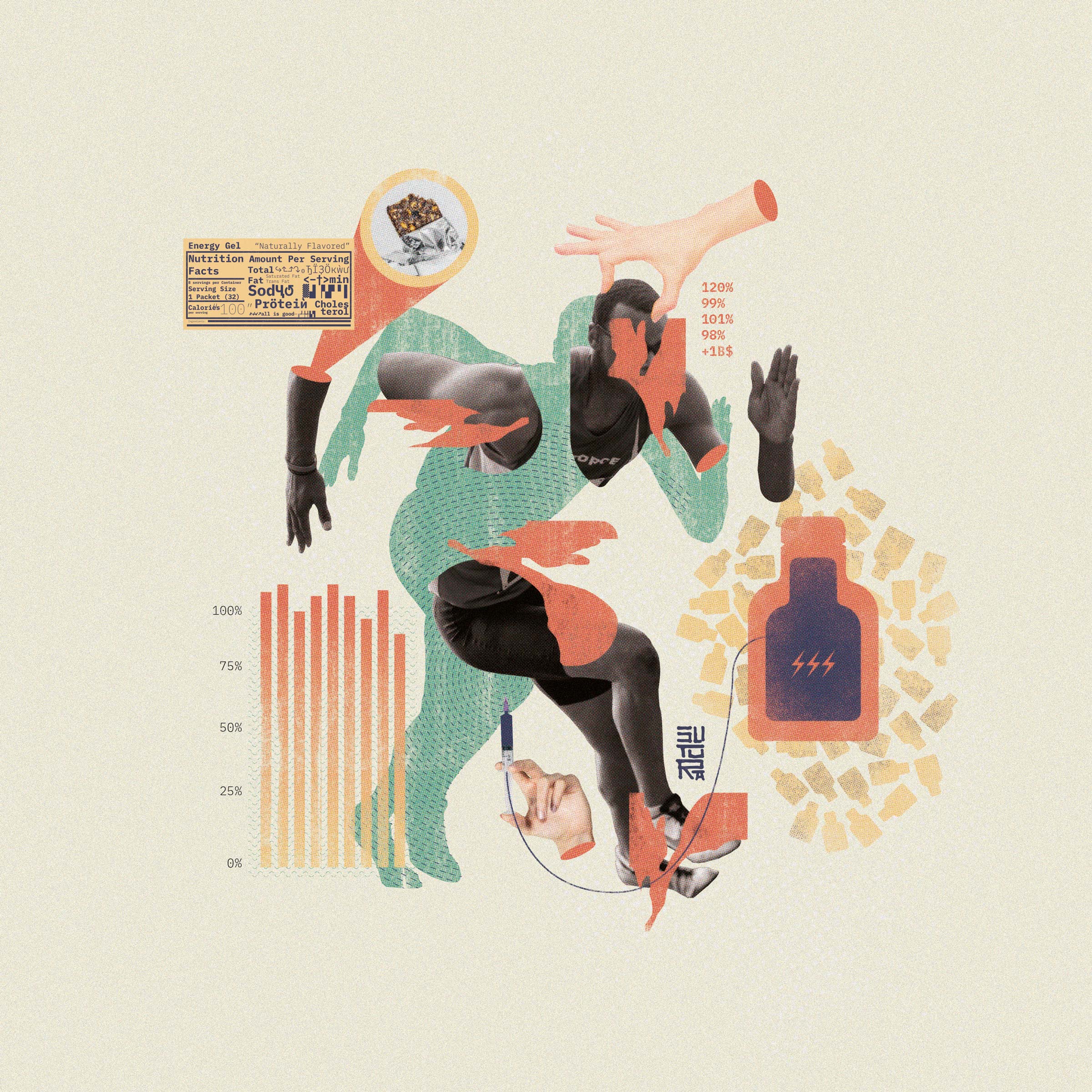
Long-distance runners rely on energy gels to enhance their performance, yet these highly processed, sugary gels are terrible for athletes’ teeth and for the environment. Running needs to reckon with these highly disposable gels for the sake of its athletes — and the environment.
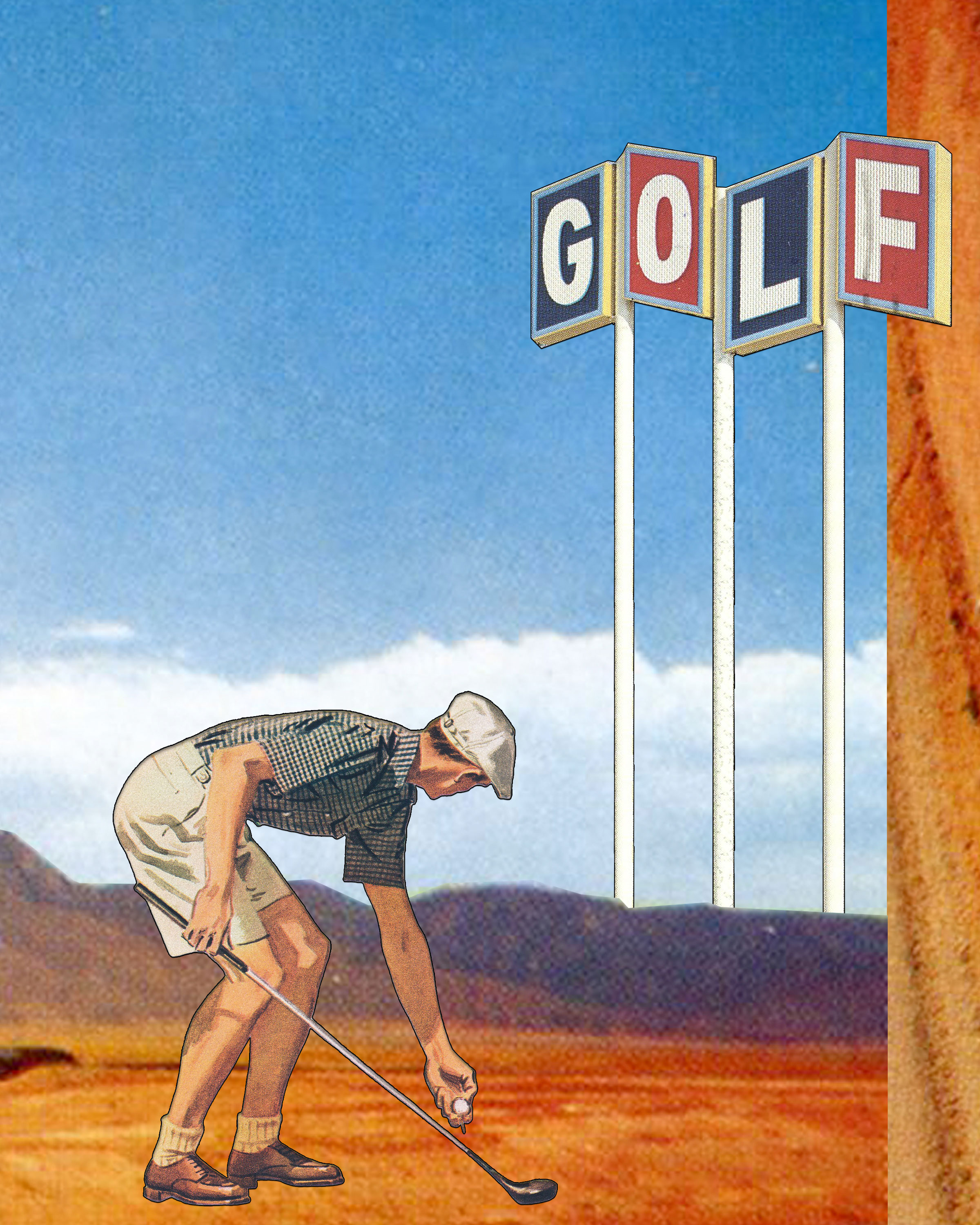
Cricket and golf have been singled out as two sports set to be severely affected by the climate crisis, as sports where the climate and conditions are key to the nature of the game. For groundskeepers, this means adapting to extreme and increasingly unpredictable weather patterns, but the conversation is only just beginning.