
Plastic
We are living in the age of plastic. It protects our food and litters our beaches. We toss away our plastic wrappers, only for them to end up choking birds and marine life. We heat up our food in plastics containers, even as doctors and researchers find increasingly high levels of microplastics throughout the human body.
We are trapped in a morbid dependency on plastic. We can’t live with or without it, and plastic will live forever. So what will we do?
Breaking free first requires understanding the problem. In this issue, you’ll learn about how plastic pollutes agriculture and our bodies, and why plastic packaging persists in the food industry. We see an example of a country — Kenya — that is trying to break free of the system that produces food waste and plastic pollution. And we will finish up with a more philosophical interrogation of our personal relationships with single-serve, plastic-wrapped snacks, and what would happen if we are forced to think about the consequences of them.
The plastic problem will, like the material itself, be a permanent fixture in our lives. We better face up to it.
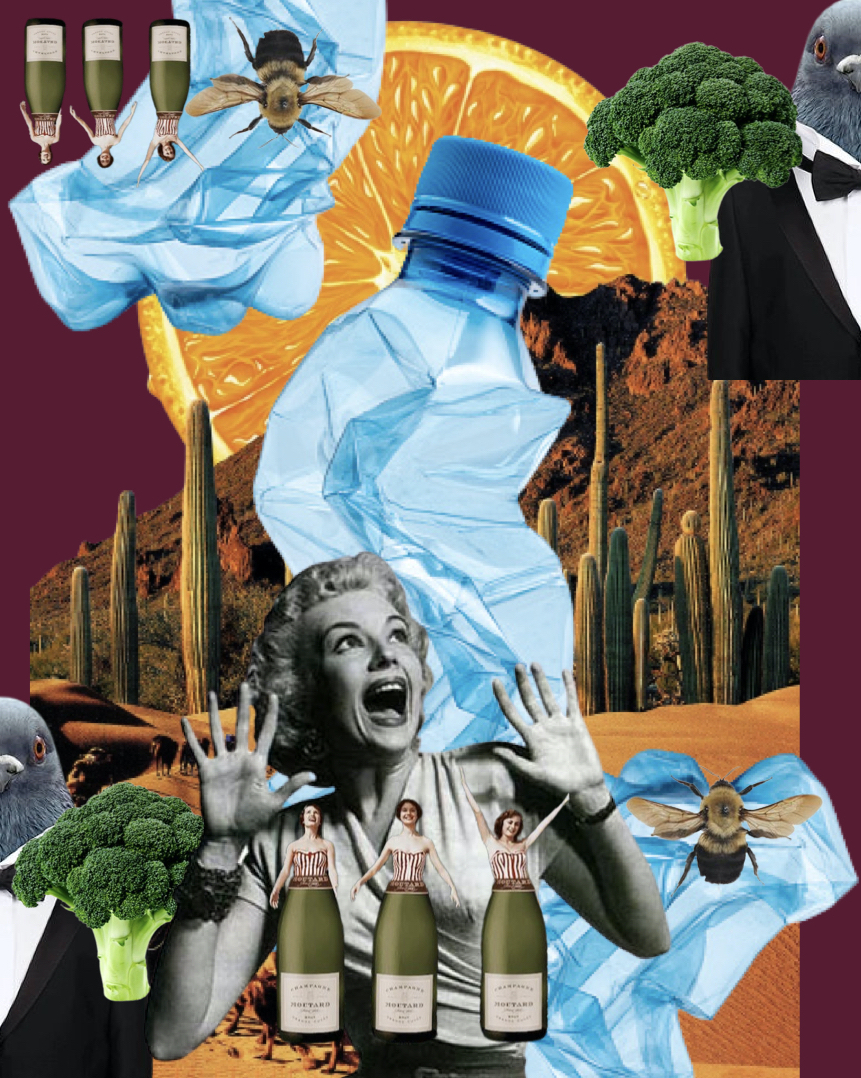
So much of our food is wrapped in plastic — often unnecessarily. But years after consensus about the ills of plastic formed, there are few signs of a clear transition away from using the material to package our groceries. Tabby Kibugi spoke to food industry workers to find out why.

It’s no secret that plastic is killing the planet, but less well-known is that it may be killing us from the inside, too. Yes, plastic — in the form of microplastics — has been found in our blood, lungs and many other organs, even our stool. But what’s more worrying is the fact doctors still aren’t sure what the effect is on our health.
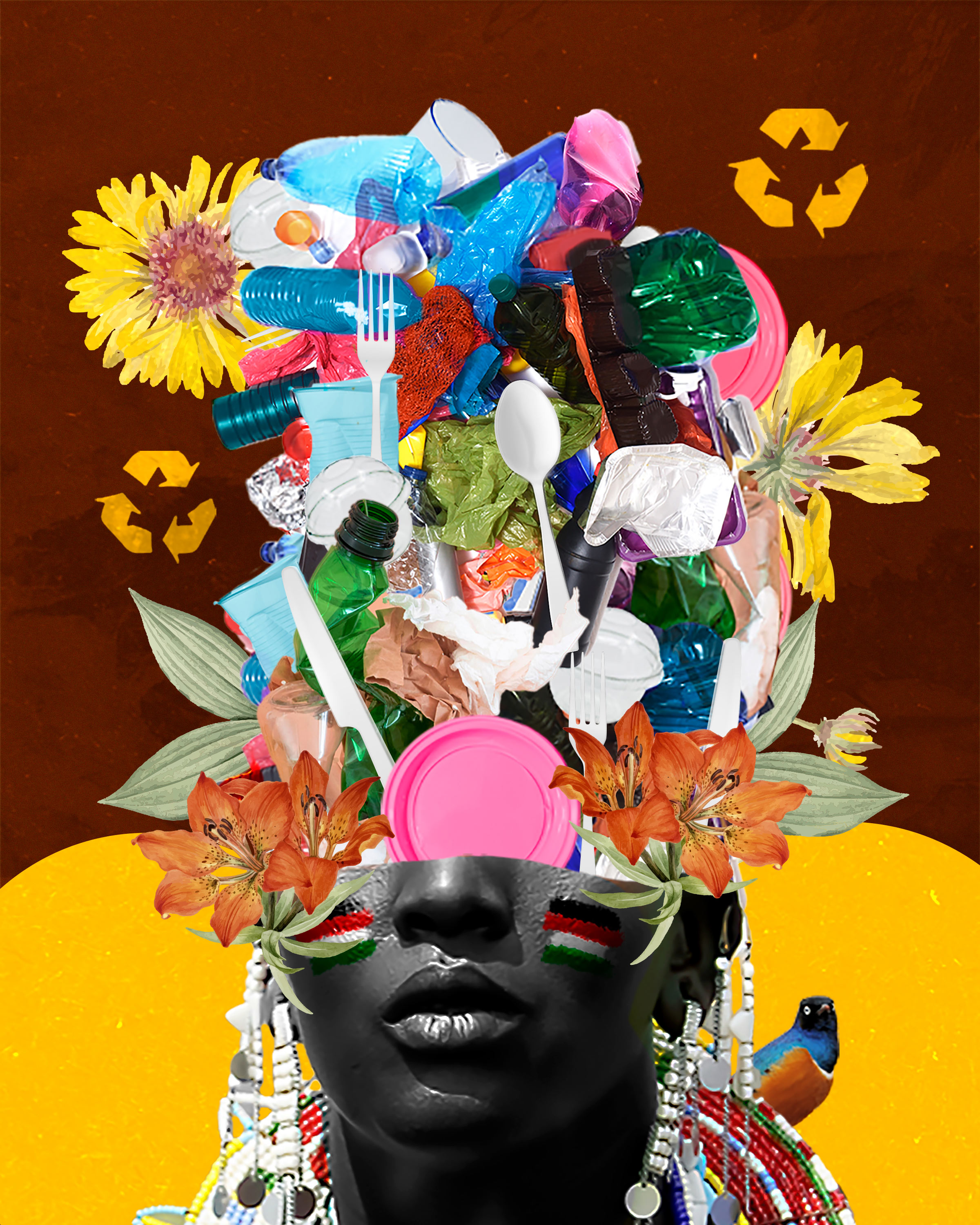
Kenya is working towards a circular economy, to achieve its goals of reducing plastic pollution and reducing food waste. It is a radical path for a developing country to take, but one that could have serious implications for the way states address the effects of the climate crisis, and for how states seek to create more sustainable economies.

Illegal riverside trash dumps have developed their own illicit economy of trade over the decades they’ve built up in Indonesia. Now, the world is beginning to reckon with the devastating effects of plastic, and it’s clear these dumps composed of western garbage are polluting waterways and poisoning agriculture. Countries are fighting back against the export of rubbish, but the damage is already done.

Plastic once signalled abundance and hygiene for generations scarred by hunger and depressions, who then saw the unprecedented improvements in food security that followed. Today, plastic is bad, immoral and immortal, unchanging when everything else in life seems impermanent.