Scandal
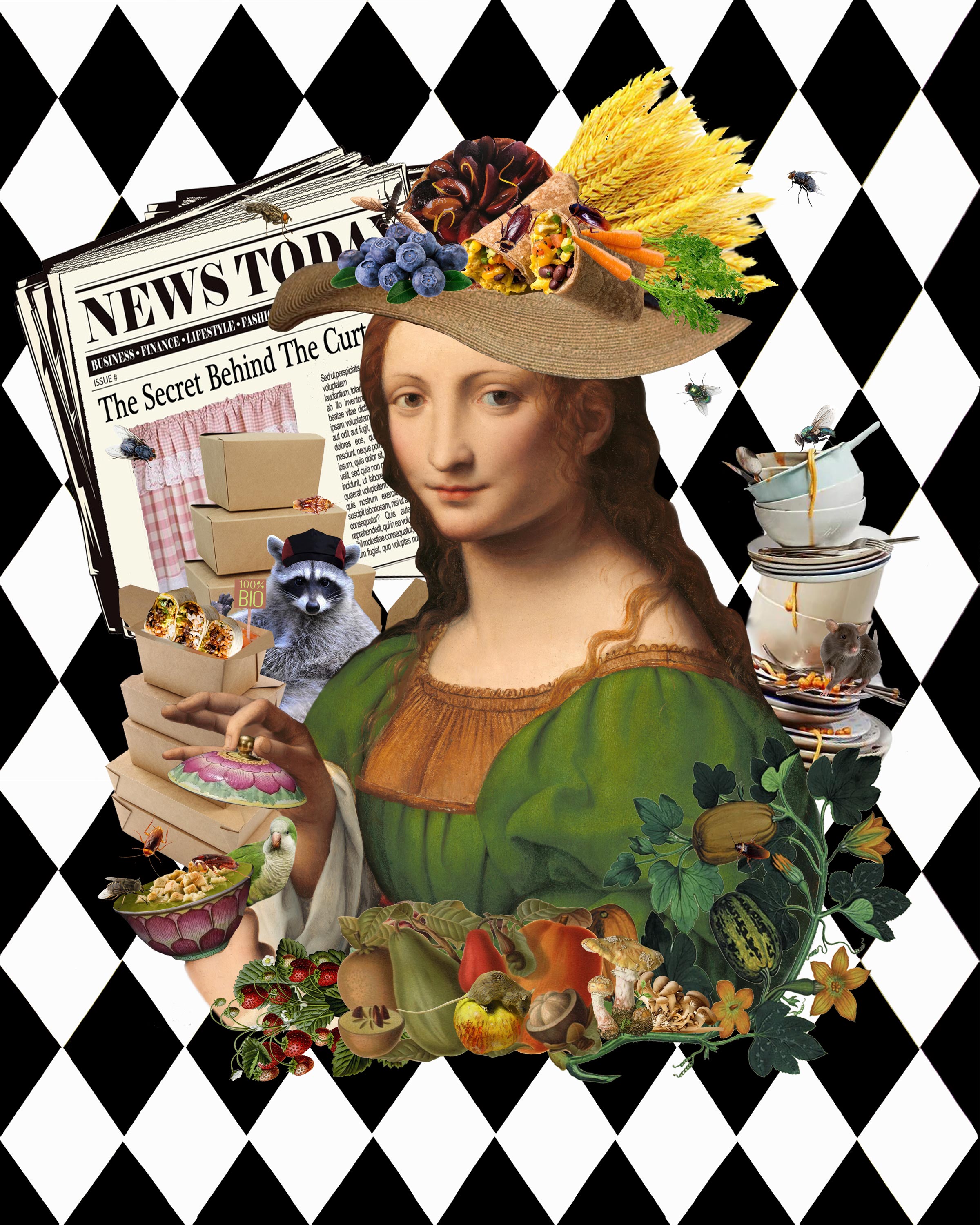
Where scandals once seemed like exceptions they are now increasingly the norm. Scandal is the language of politics and the means of doing politics, too. Environmental systems are collapsing around us. We debate the innate goodness and badness of foods. And bad actors continue acting badly.
In this issue, you’ll learn about how foods and appetites become scandalized: how they break taboos and fall victim to moral panic. We see the nature of scandal changing, too, as we interrogate how social media has changed the way consumers and companies approach it, and look out how covering up scandal is baked into the food system. You’ll also learn about why people have been boycotting a major vegan, vegetarian and organic producer.We like to think of our issue themes as broadly as we can, to capture new ideas and original perspectives. Scandal may evoke some ideas immediately to you, but we think — and hope — this issue will surprise you with its scope.

Twitter has been the main site of scandal in public life for almost a decade now. Food brands have never been shy of scandal, but what’s changed is that social media has largely immunized them against the effects of their misdemeanours — even though it is easier than ever for people to call them out.
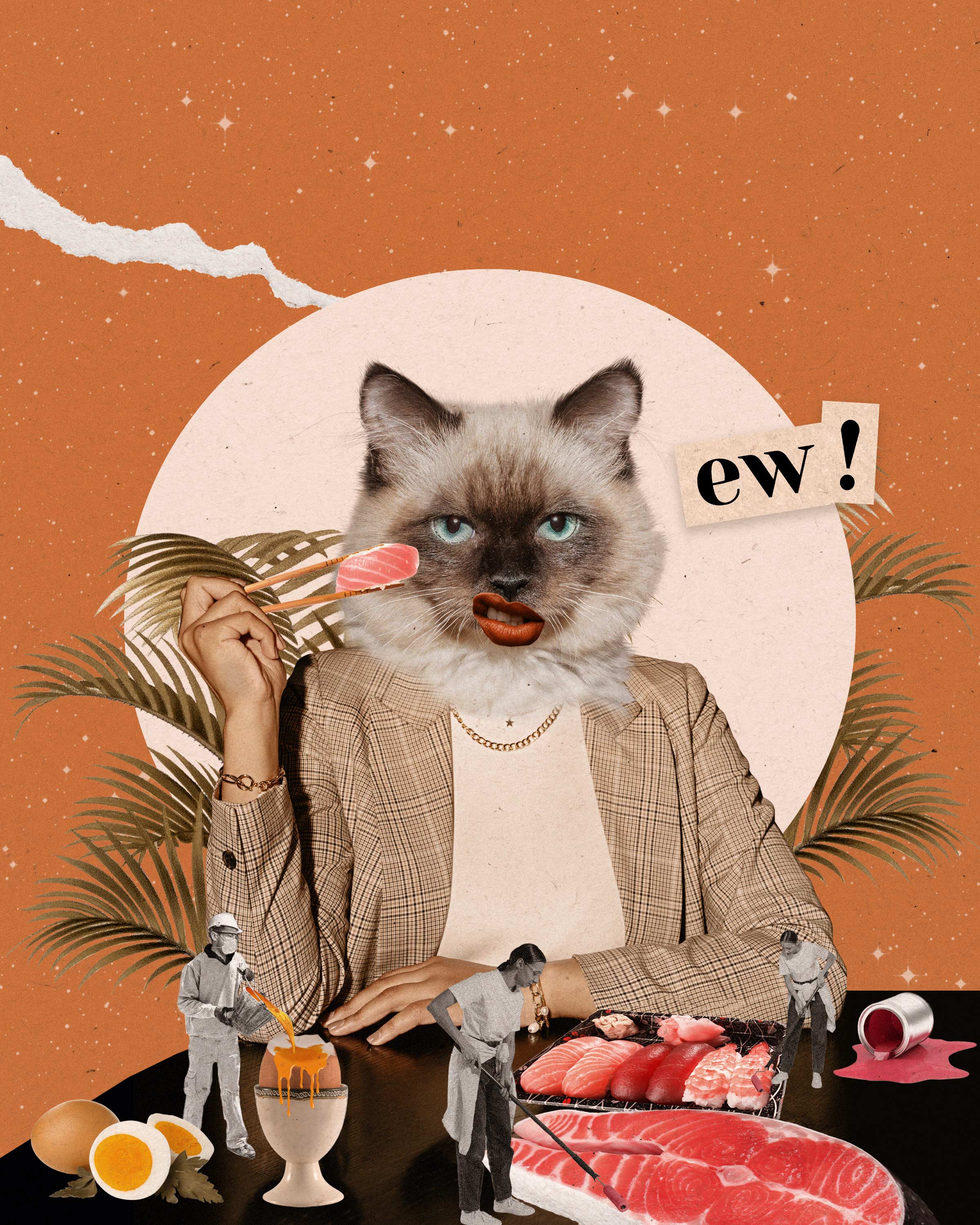
The colour of our foods result in large part from their breeding and growing environments. Now, as producers farm fish that were once wild and poultry that were once free to range, they need to use dyes in their feed to ensure foods match our colour expectations. In doing so, they’re hijacking our ability to work out anything has changed.