Olive
It’s remarkable the olive is so popular. If you pick one straight from the tree, it is barely edible. When people first began cultivating olive trees between 6000 and 8000 years ago, just one bite would have revealed the bitterest of fruits, rendered impossible to eat by oleuropein—an incredibly bitter compound that protects against invasive species and animals.
Many millennia later, long gone are the empires that started the trade in olive oil and planting olive trees en masse, and what remains is a global olive oil market that’s worth more than US$11.2 billion, and projected to reach nearly $14 billion by 2027.
And yet, there’s much we still don’t properly understand. Our olive oil often isn’t what it claims to be, hollowed out by adulteration and fakes and by exporters relabelling another country’s oil as their own. The climate emergency and a fast-spreading disease threaten olive trees across the world. What we know and what we can expect of this symbol of purity, resilience and renewal is far from certain.
As we grapple with the radical changes transforming our relationship with the olive, ingenious solutions and novel uses for it give plenty of reason for hope. Despite the most bitter of first contacts with humans thousands of years ago, the Olive thrived. Who’s to say it won’t survive the challenges of this century?
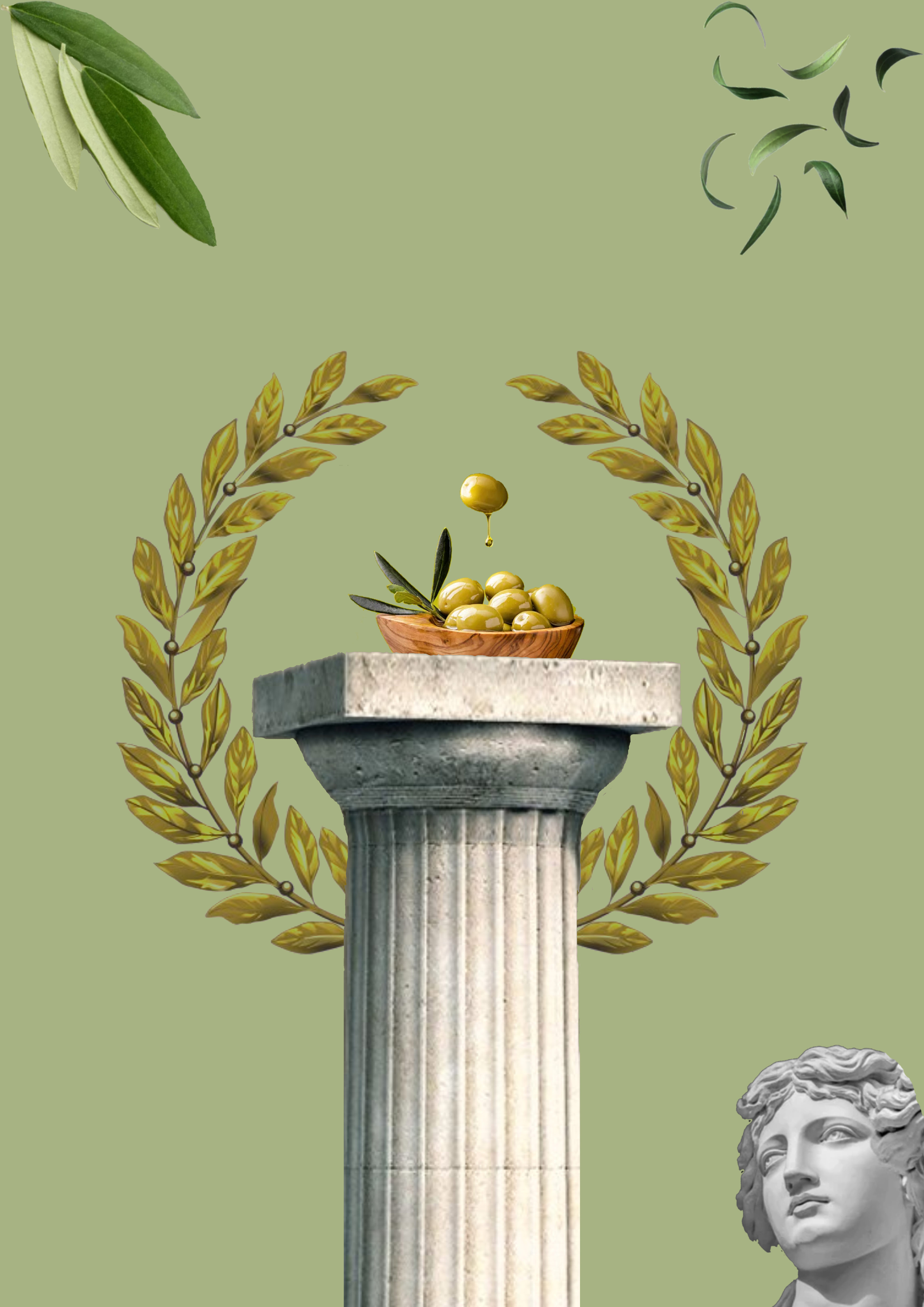
Few foods communicate as much meaning as the olive. It symbolizes peace and virtue, resilience and conciliation. The olive has been appropriated by the Gods and by religion, by leaders at war and politicians negotiating peace. The olive has deep cultural roots, yet what the olive means for us today is uncertain. Notions of renewal, resilience and purity are undergoing serious challenges from conflict, the climate emergency and adulteration (to name a few). Samantha Maxwell traces the symbolic history of this bitter fruit, and ponders how the forces of this century will shape the olive’s meaning. Are set to see a symbol reborn as new, or merely transformed by the conditions of our time? Read on to learn more.
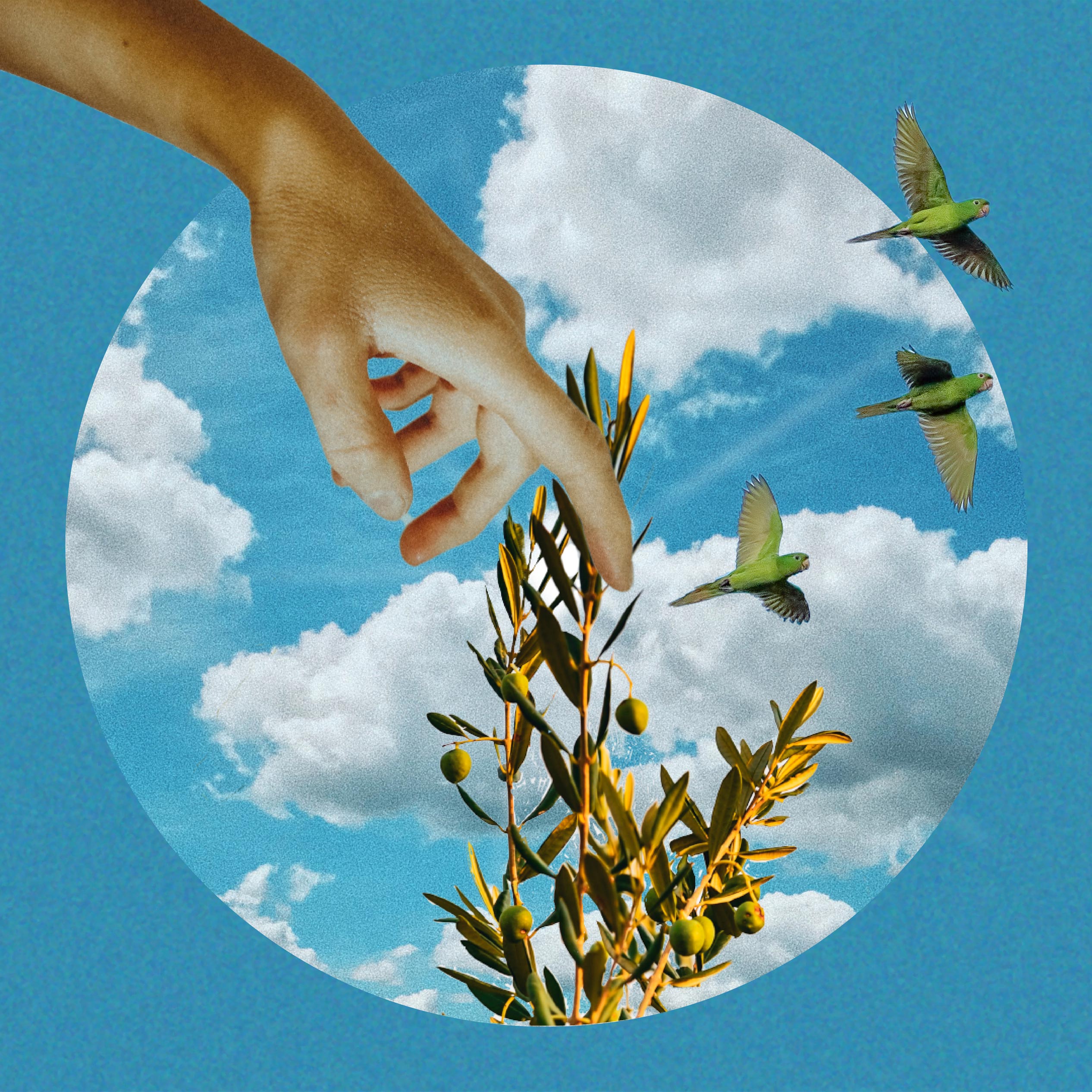
Jalpai—an Indian-native olive—is known by many names. It’s called Jalpai in Bangla, Veralu in Sinhala, Veralikkai in Tamil, and Indian Olive in English. Today, it’s also finding different forms. The plant is common in ayurvedic medicine, a 5,000-year-old alternative healing system in India, and research today is proving its medicinal properties, from curing dysentery and diarrhea to soothing gums and warding off evil spirits. It’s also finding its way into commercial kitchens, as a new generation of chefs explore fascinating ways to use this mysterious fruit. In this piece, Snigdha Bansal takes a look at the Jalpai’s trajectory from folk remedy to hipster favourite. Read on to find out more.
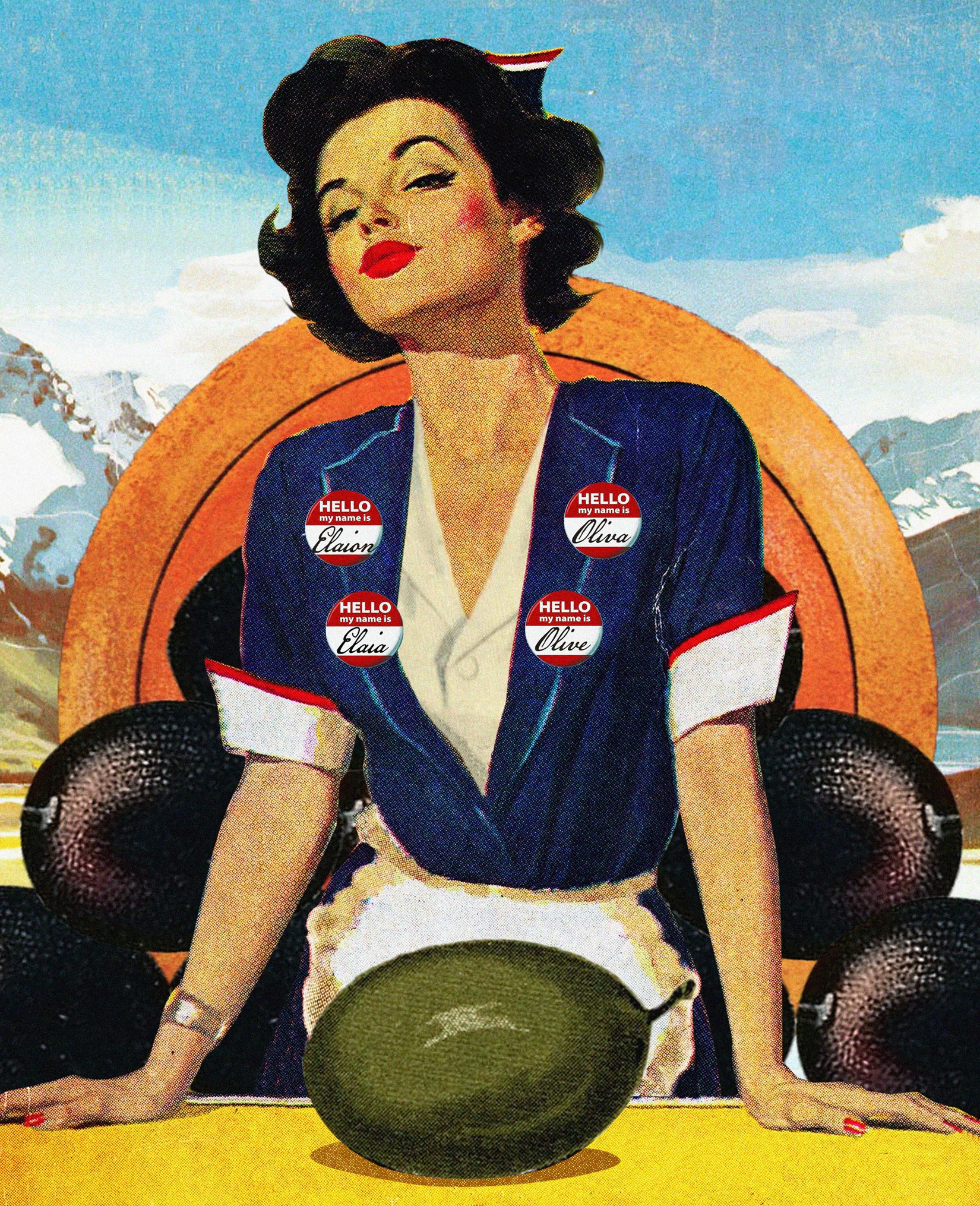
From Olive Oyl to Olive Kitteridge, fictional olives have occupied a special place in the past century. They are often complex and contradictory characters, embodying in their traits the tastes and flavours of the fruit that gives them their name, and its ideals and symbolism in their actions. In fact, the relationship between their names and the olive reveals hidden depths to these complicated characters.
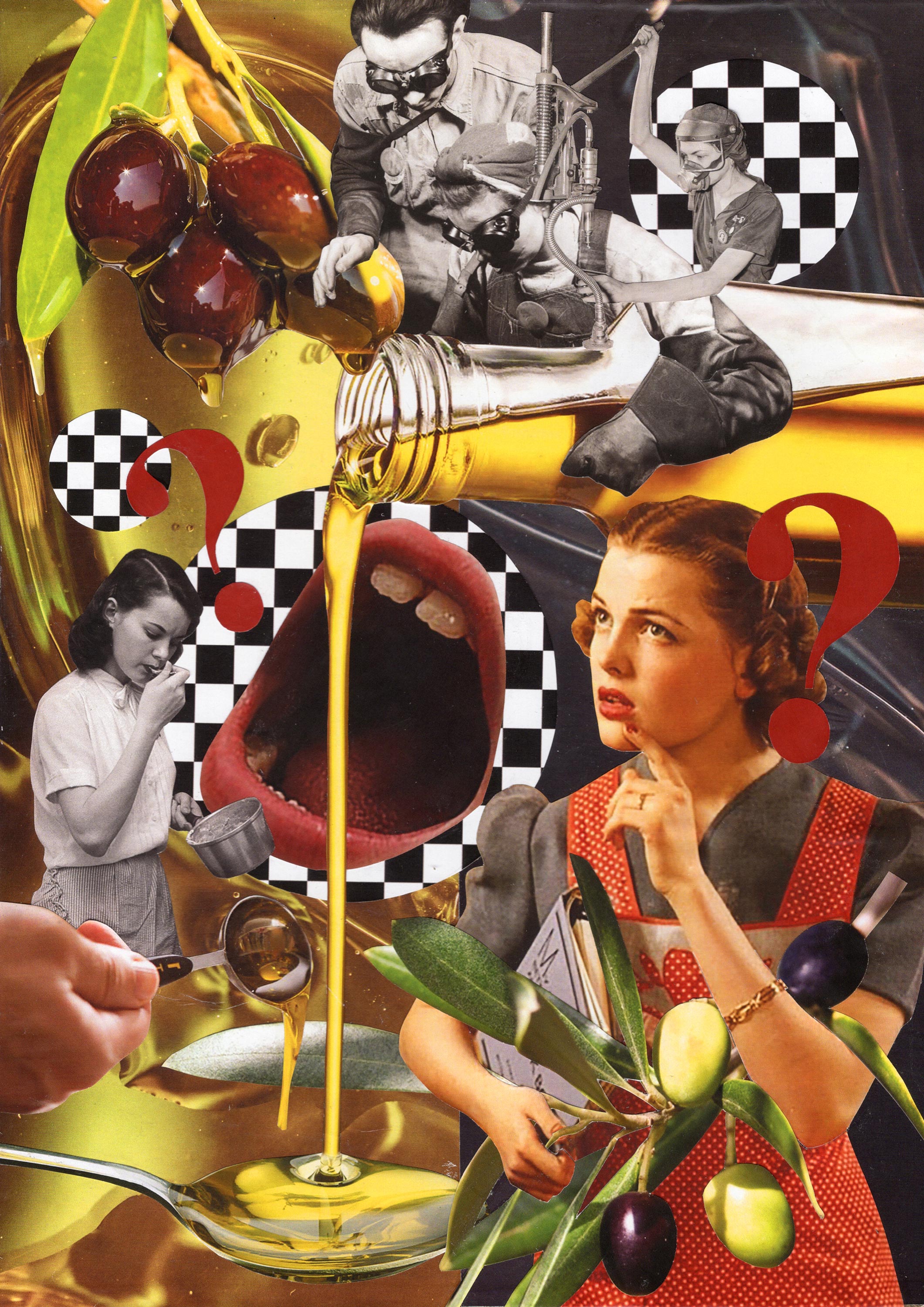
Olive oil is just the juice that’s extracted from olives, right? Well, at least it should be. Olive oil is often diluted—or worse, substituted—with other cheaper oils and sometimes lower grade olive oil. Racketeers rake in huge profits while chefs and consumers use an inferior product. But, while the problem is pervasive and widespread, new reasons for hope are emerging.
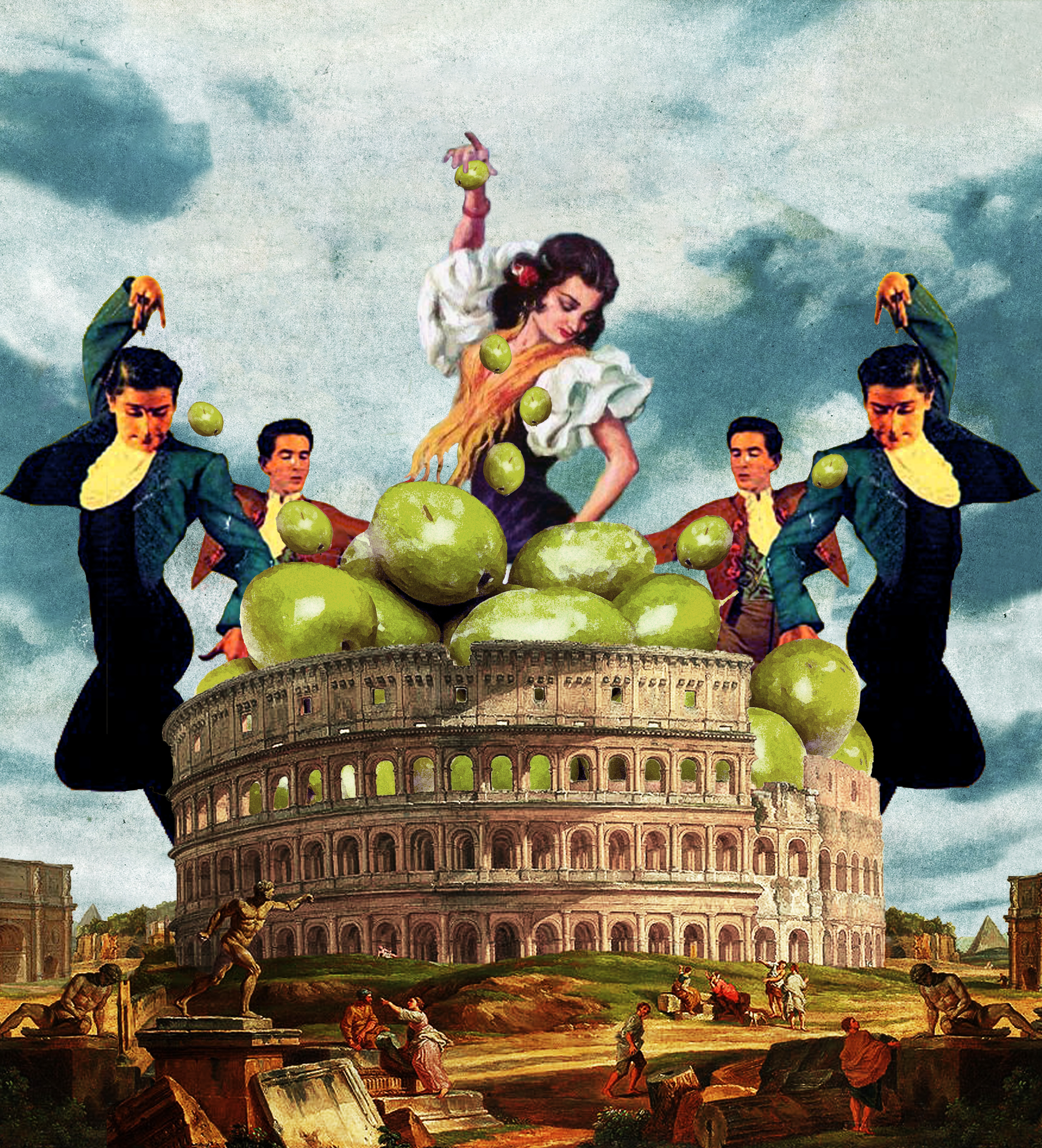
Once upon a time, the citizens of ancient Rome consumed 50 liters of oil per year per person—and most of it came from one region in Spain. Millennia on, and the imperial centre still relies on this part of the Iberian Peninsula for its olive oil supply, yet claims it as its own. This is how ancient trade routes laid the foundations for Italy’s prized food culture.