Fungus
Fungus evokes strong ideas in each of us; the gross, weird and gruesome mold that grows on our food, or slippery, poisonous mushrooms lingering at the base of trees in the forest. We sautée mushrooms, and worry about mold growing in a damp patch of our homes. And—I’ll whisper this—some people even take mushrooms as drugs.
But the fungal world is actually much broader than many of us realize. This kingdom is an organism of its own, neither plant nor animal but distantly related to us, humans. With 36,000 estimated sexes, our fungal friends really don’t ascribe to the gender binary, though. Mycelium—the web-like vegetative structure from which mushrooms sprout—acts like a kind of intelligence, autonomously connecting to surrounding plants and trees in an efficient exchange of vital nutrients and information.
Our notions of what fungi or mushrooms can or cannot be are seriously limited compared to the possibilities the fungal kingdom offers us. Koji, a crucial part of Japanese cuisine, is now being used to create vegan charcuterie. Mycorrhizal fungi are emerging as a safe, natural alternative to chemical fertilizers, by relying on mycelium’s ingenious intelligence. Communities spanning Pennsylvania, Central Europe, Madagascar, Iran, Tajikistan and New Zealand ascribe semi-mythological meanings to the relationship between mushrooms and thunder and lightning, dating as far back as the Romans. These beliefs may help us make sense of a future world where our leather and our meat, our houses and our packaging, are made out of mushroom-based material.
It isn’t all positive though. Overharvesting, rampant demand and the climate crisis threaten India’s indigenous communities’ vital source of nutrition—wild edible mushrooms. The climate emergency has caused a sharp rise in the presence of mycotoxins, toxins produced by mold, in grain crops, animal seed and more.
Fungi can speak to and solve many of the challenges facing our world today. It’s time we delve a little deeper, and disrupt our long-held ideas about fungus.
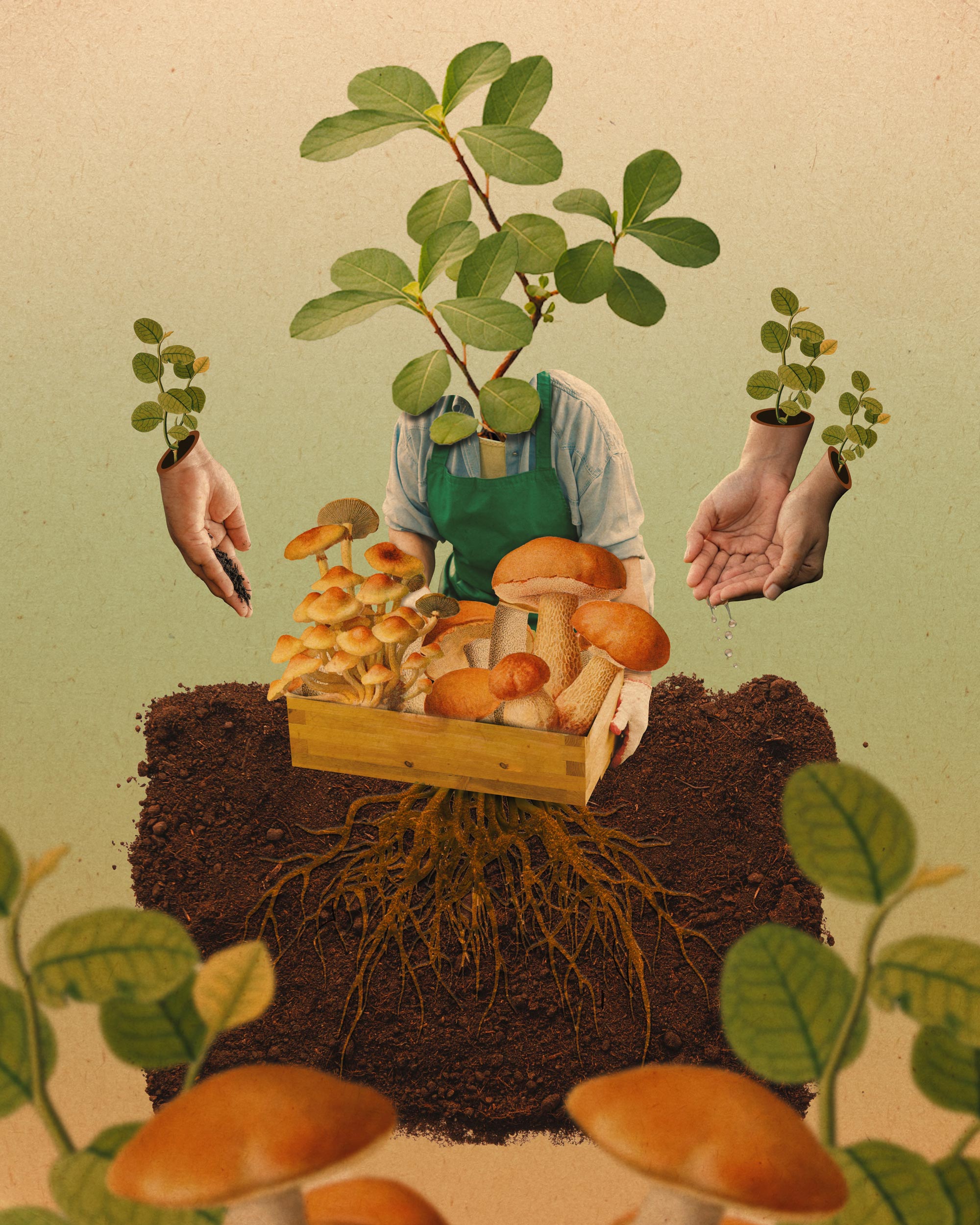
While chemical fertilizers have long dominated agriculture, polluting rivers and streams, and even the air around us, one fungi could solve all that. Mycorrhizal fungi attach web-like roots to all adjacent plants, trees and other plant life, providing necessary nutrients and forming mutually beneficial relationships. Read on to learn about this emerging agricultural alternative.

Mold produces toxins called mycotoxins. They contaminate nearly a quarter of grain crops, and can be passed from animal to animal — and from animal to human. For a long time, experts have believed they don’t pose much danger to day-to-day, but that could all change with the climate crisis.
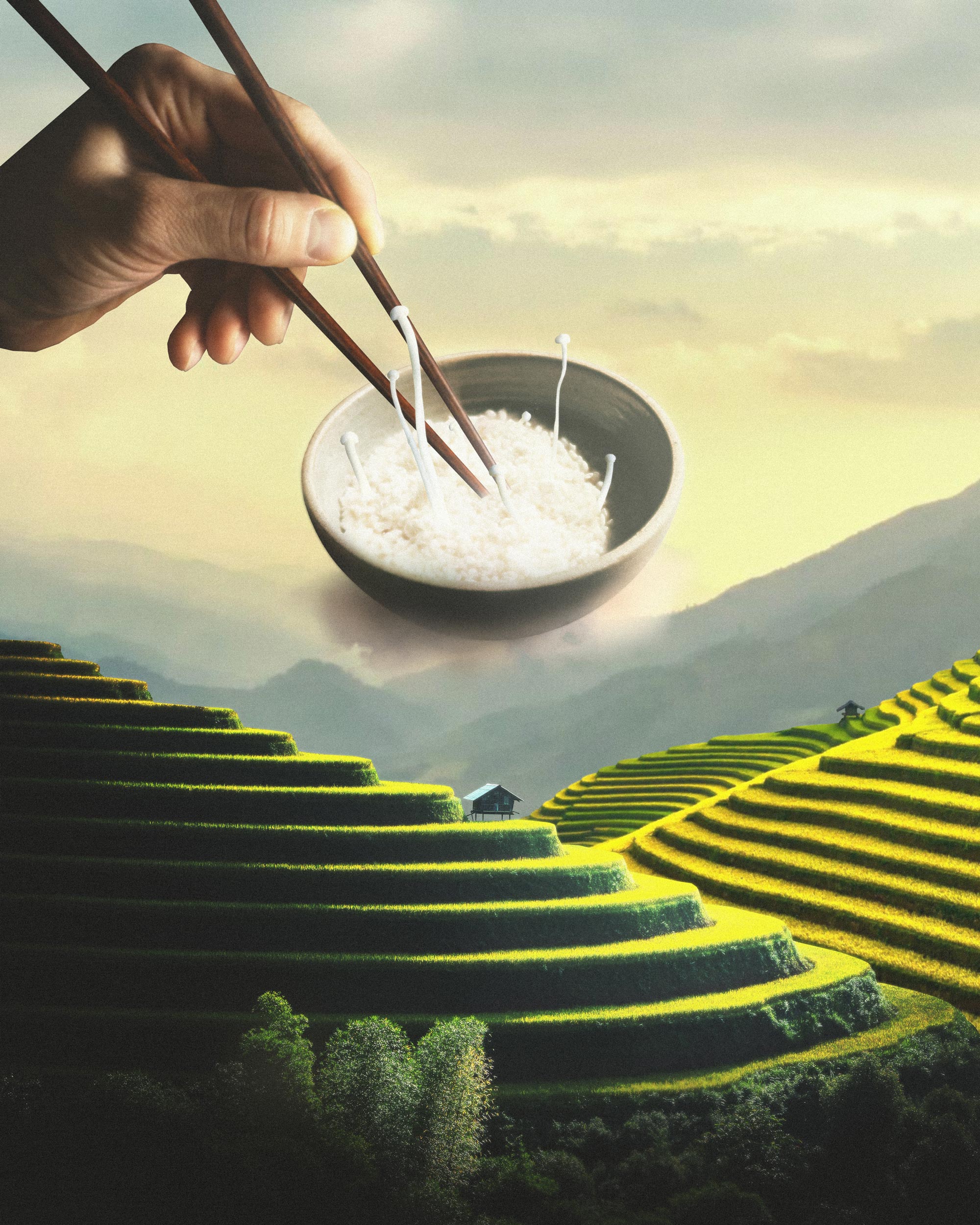
Koji is a mold that’s been used in Japanese cooking for centuries, a crucial ingredient in soy sauce, miso and sake, among others. To this day, it’s valued in Japanese cuisine as much because it helps improve digestion as it is for making tasty food. But despite Koji’s long history, it could play a crucial part in our food’s future, too. As Adrienne Katz Kennedy describes, chef and food-science evangelist Jeremy Umansky deploys Koji in everything from breads and pastries, to curing meats and vegetable charcuterie. Read on to find out more about how this ancient mold could shape the future of food.
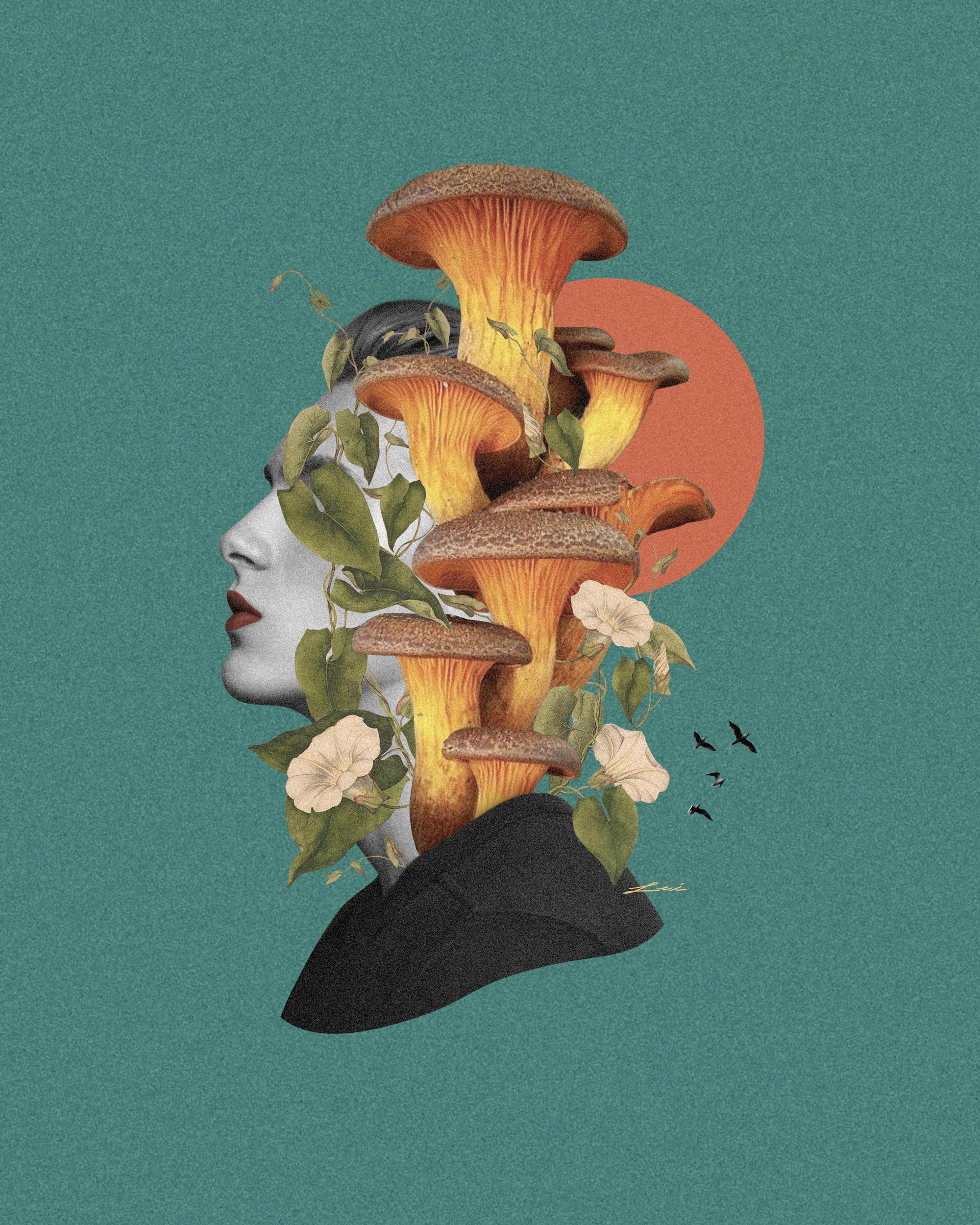
India’s indigenous communities have become expert mushroom foragers as gatekeepers to the country’s 283 species of mushroom. But India’s incredible fungal diversity is under threat, beset by issues with overharvesting and struggling to survive the climate crisis. India needs to secure its fungal future, but it’s unclear how. Read on to find out more.
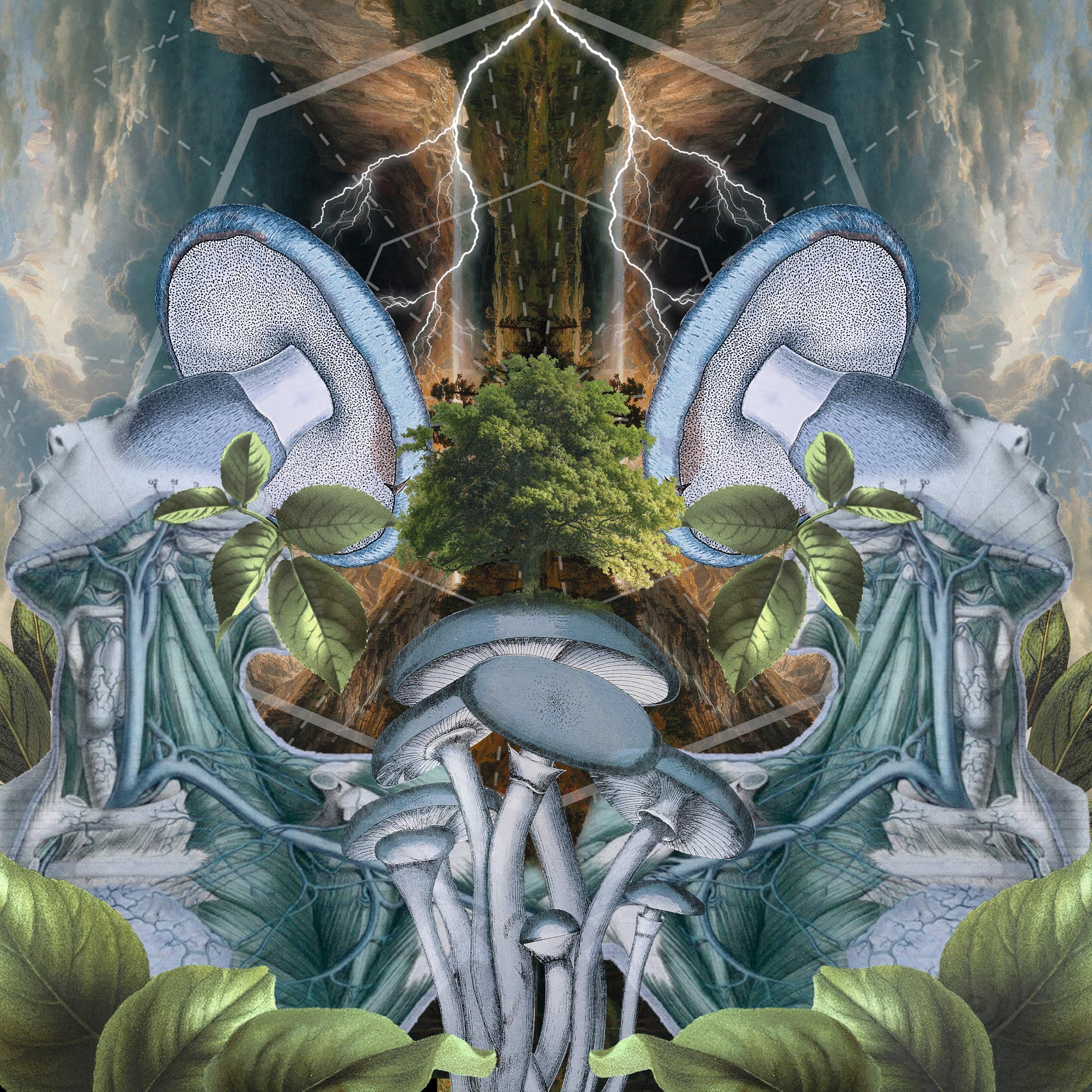
While most fungal research today focuses on material possibilities, Ethnomycology seeks to understand how and why people attribute meaning and significance to mushrooms. In particular, how and why has a belief taken root in peoples across the world that associates mushrooms with thunder and lightning? There’s no easy answer—but plenty of fascinating questions.