
Fire
Early archaeological evidence suggests Homo Erectus first mastered the controlled use of fire nearly two million years ago. Fire scared off predators and enabled our early ancestors to come down from the trees. They began socializing around fires and cooking food.
Fire made us human. Our brains expanded as cooking enabled us to derive more energy from food. Our intellectual abilities thrived as tending fires and performing rituals forced us to learn how to plan, cooperate and possibly even speak.
We may owe our contemporary existence to the flame, but our relationship with fire is radically different from how it began. Rare are those people in modern developed countries who rely on fire to live. We cook by gas, electricity, and even induction.
But fire’s relationship with food today is far more complex than summer-time campfires with s’mores, or drinking warm beers and eating burgers around a barbecue.
The meat industry’s fires are destroying the Amazon. The escalating climate crisis is forcing indigenous farmers to ditch their traditional use of fire, while increasingly frequent wildfires threaten everything from crops to oysters. Fires regularly break out in meat processing plants, but few people take notice.
It is therefore only right to interrogate the place of fire in our food lives today. It is our past and the making of us, but fire today also suggests a very different future.
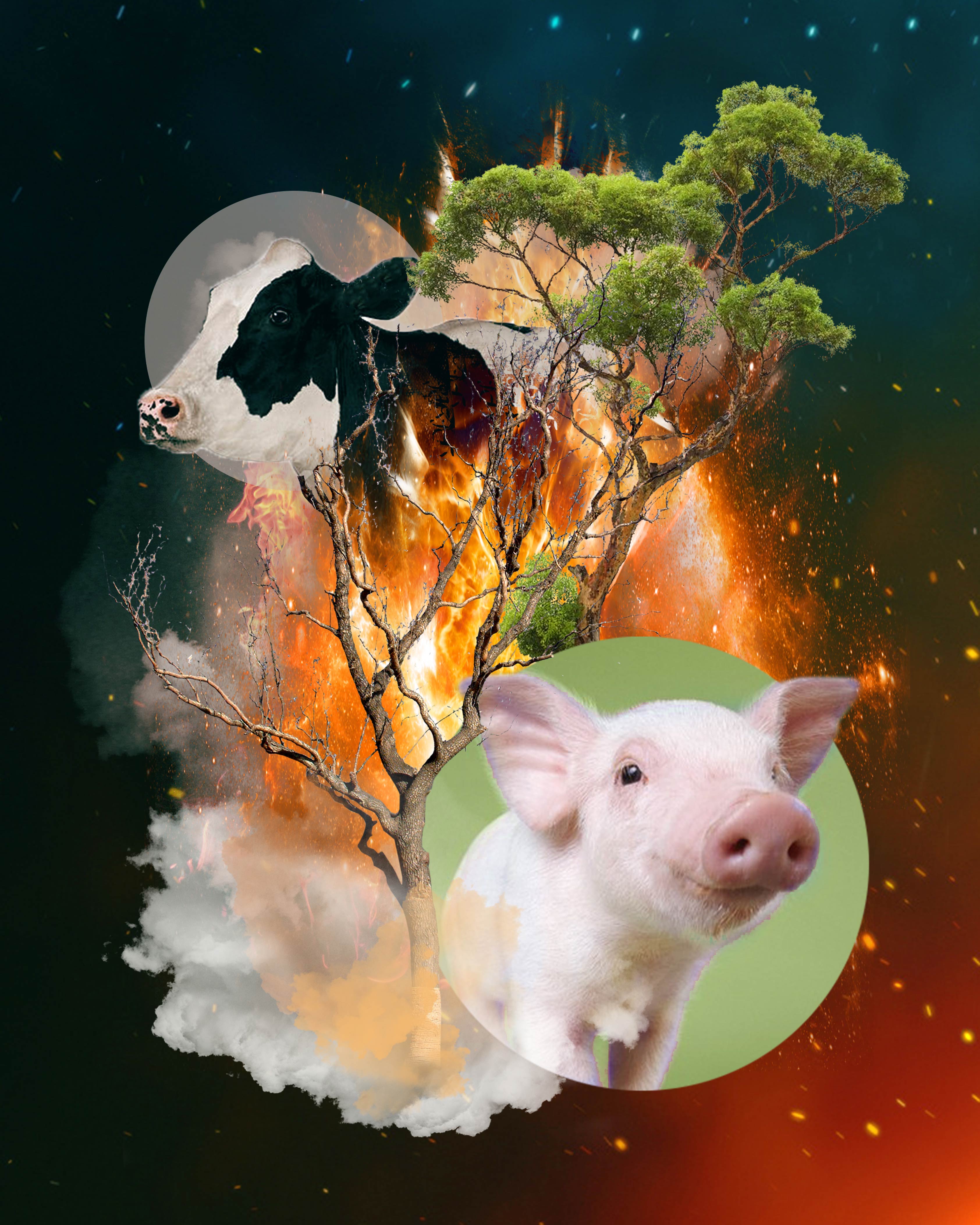
While the meat industry’s fires in the Amazon burn, another type of blaze rages unnoticed. In meat factories and processing plants across North America, fires keep breaking out. Yet despite a strong network of experts and advocates for working conditions in the meat industry, nobody can say what’s going on.
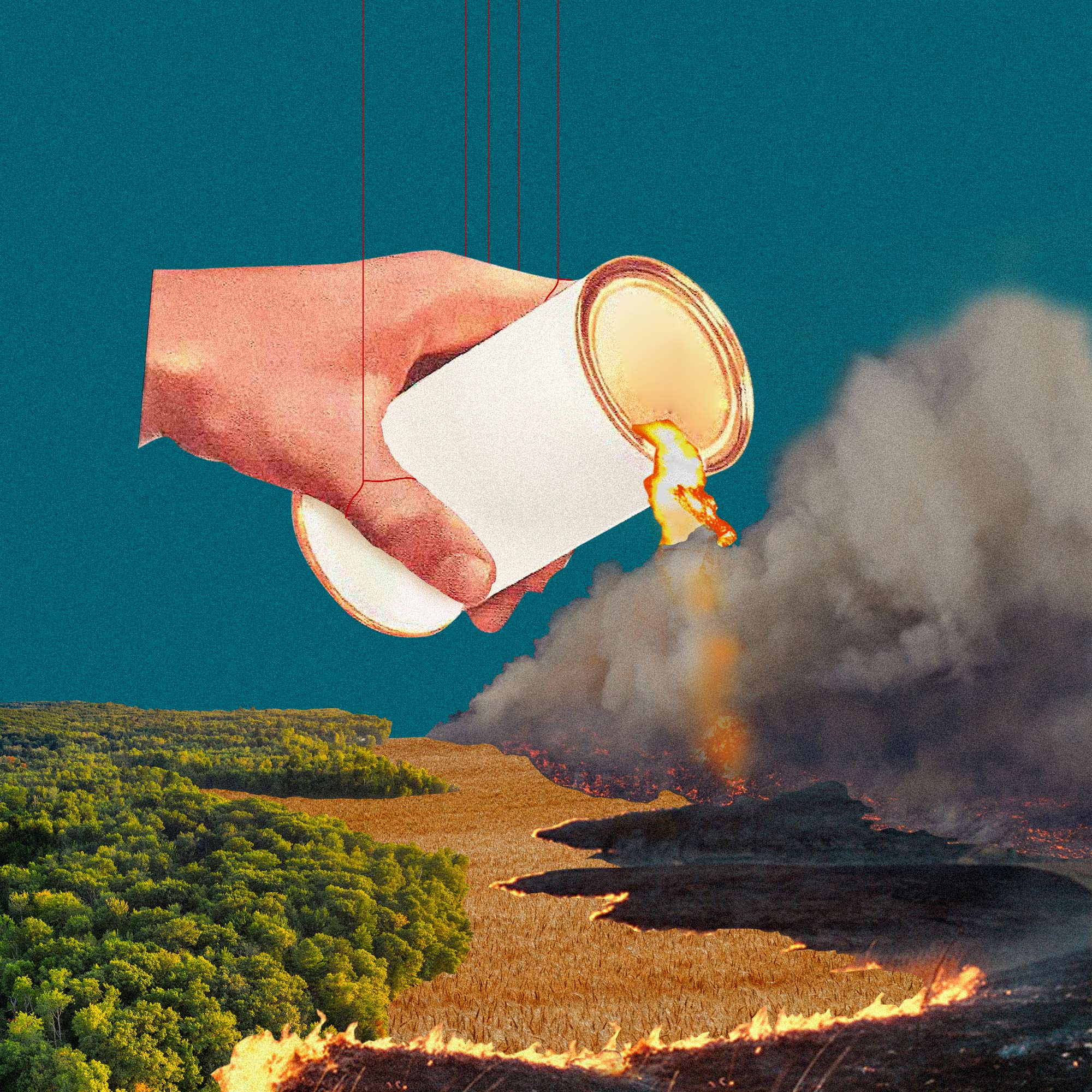
Slash and burn farming is used by hundreds of millions of farmers every year to manage land, and that’s no different for Indonesia’s indigenous farmers. But as wildfires become destructive and widespread in the country, the practice is coming under greater scrutiny—even if big corporate farmers have greater responsibility for the fires. Now, indigenous farmers are leading the change, turning to more sustainable methods suitable for the climate crisis.
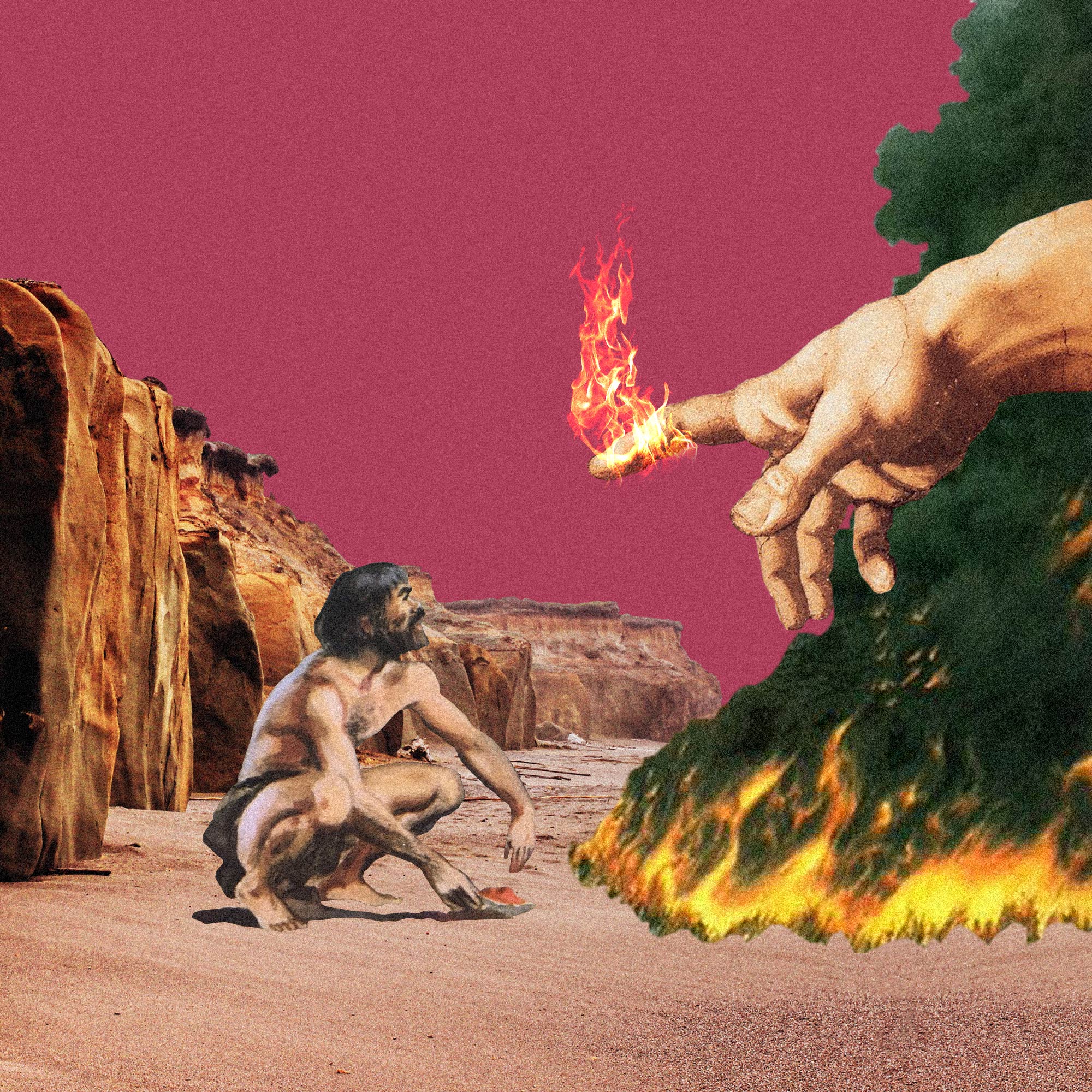
Everyone behaves a bit differently when cooking and eating around fire. Reluctant home cooks become ‘expert’ chefs over a barbecue. We drink and eat more, excitedly egged on by the novelty of doing it all around flames. So, why do we transform around fire? It’s all down to evolution and culture.

Outdoor oyster roasts are a coastal classic, but the climate crisis now threatens their habitats and the industry. Recent wildfires have decimated oyster farms, polluted rivers, and destroyed vital equipment. Oysters and oyster reefs could play a vital role in mitigating various effects of the climate crisis, as long as they can survive it. We look at how two very different kinds of fire suggest two very different futures for the oyster.
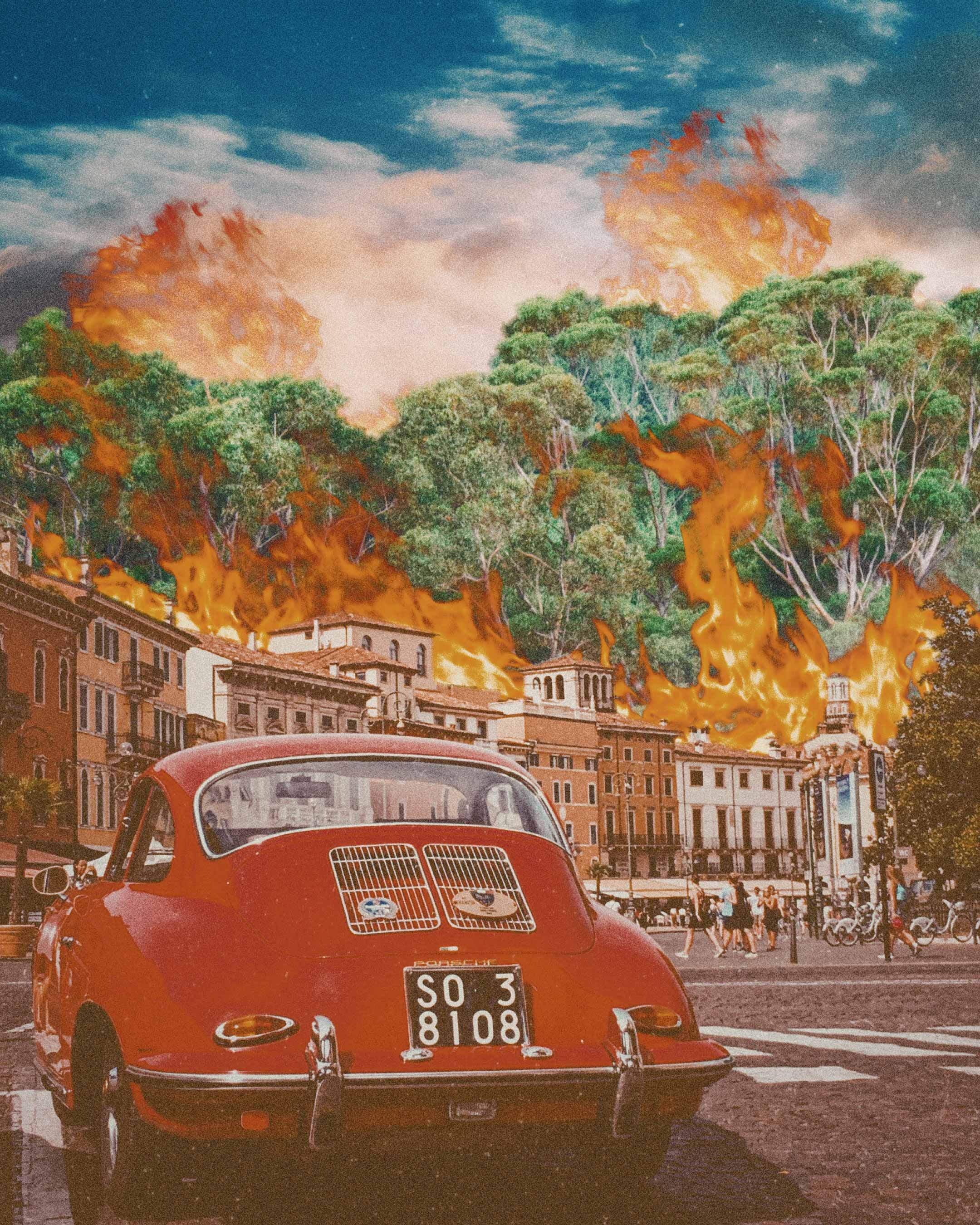
Eucalyptus is well loved for its relaxing aromas, medicinal properties, and for providing a home and food to koalas. But few people know that this native Australian plant needs fire in order to reproduce—eucalyptus requires the heat of wildfires to release its seeds. Eucalyptus accelerates the very bushfires and wildfires that have ravaged Australia, so what kind of future can it have? We take a look.