Space
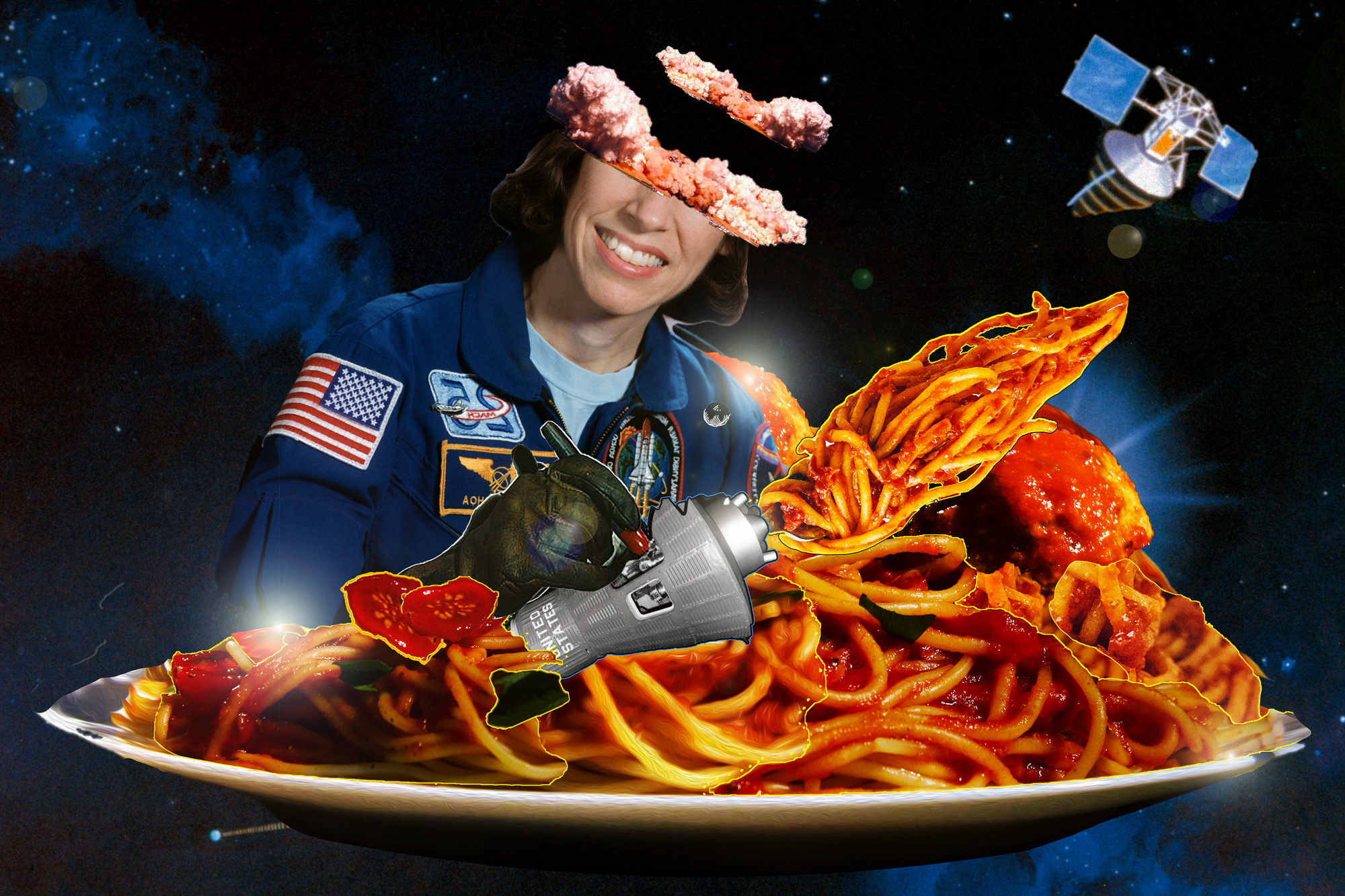
The challenges of eating food in space today are unrecognizable compared to those we first faced.
Russian cosmonaut Yuri Gagarin ate the first meal in space in 1961—pureed meat in a toothpaste-style tube polished off with a tube of chocolate sauce for dessert. In 1969, NASA increased rations to 2,800 calories per day, but a lack of quality nutrients was still causing astronauts to lose weight.
By 1973, NASA began recognizing how eating meals together benefits astronauts’ wellbeing, so installed a communal eating area. Footholds replaced chairs to enable them to congregate together. The Skylab program saw the first fridge sent to space. These simple additions improved the culinary experience for astronauts as much as continuing innovation.
If Yuri Gagarin was locking into a foothold today before a meal, he’d have already spent days tasting and rating the menu prior to lift-off. He’d recognize many of his foods as those he’d eat on earth. And he might be wondering how all his food would last long enough.
Lunar and martian missions of the next few decades will be far longer than previous interplanetary journeys. Food will need to survive for years without spoiling, resupply trips may take weeks and, whether in the ISS or on the red planet, astronauts will have to start learning to feed themselves—with food they’ve grown in-situ.
Fuelling the greatest leaps of humankind is about to get seriously interesting.
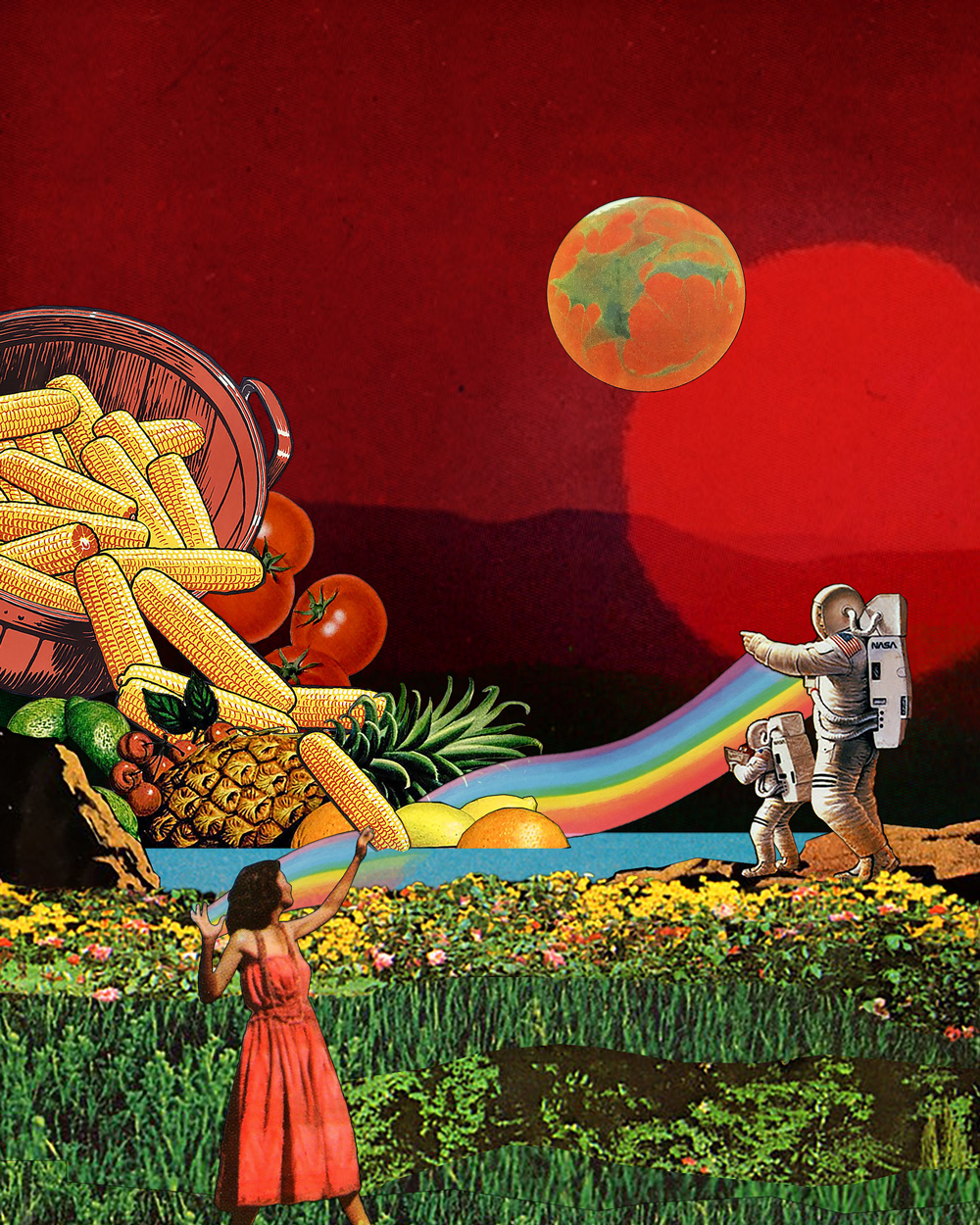
Innovations in space food technology don’t just aid space missions, but they could help remedy food security issues here on earth, too. Surely, if we can learn to grow food in space, we can learn to grow food in some of the most inhospitable environments on earth? While there could be some serious spin-offs, getting them to work on earth may be a different story.
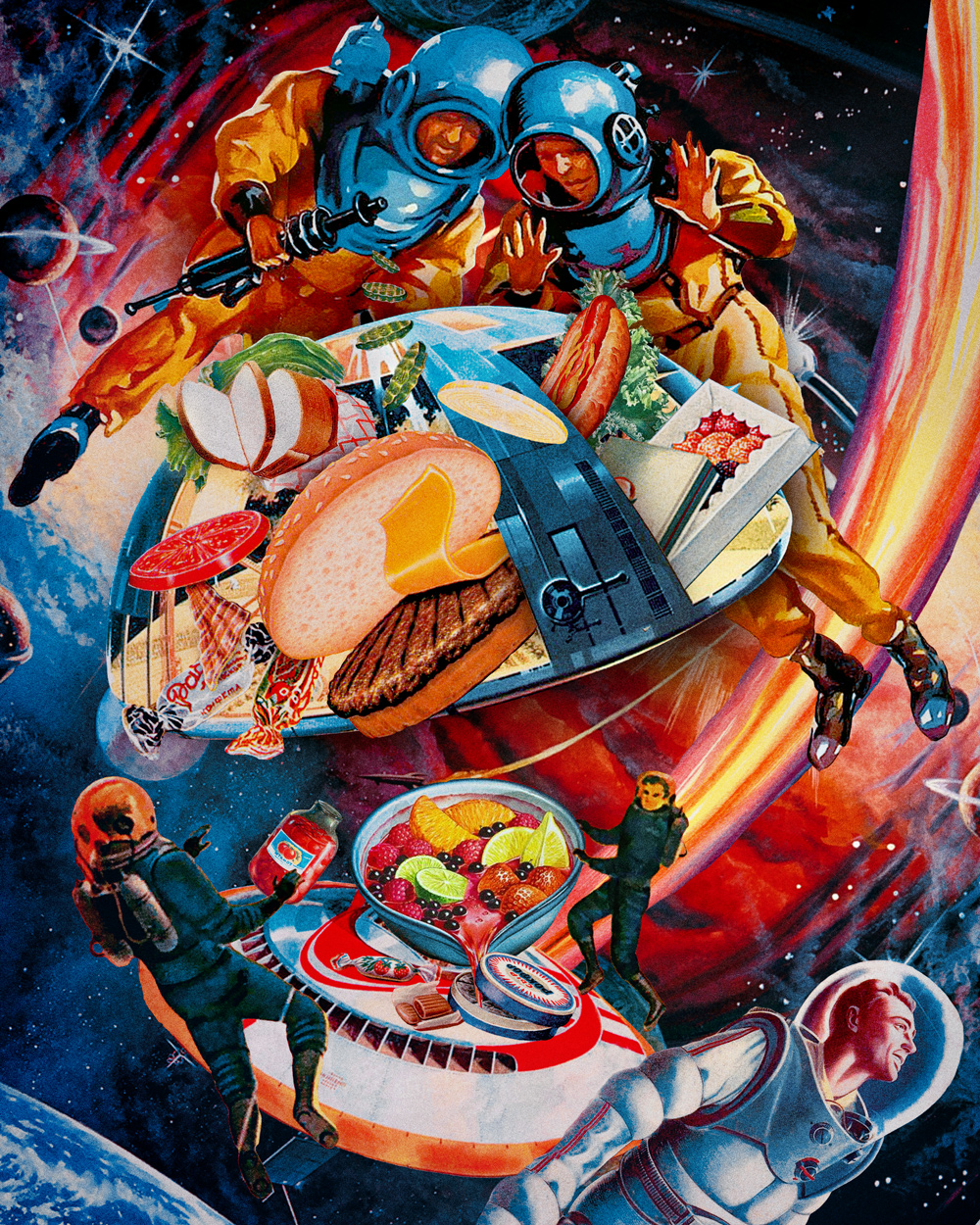
Eating in space is a complex task. With NASA planning to send humans to the moon this decade and to Mars next decade, the challenges of eating in space are only going to get harder. But after so much innovation already, where do we go from here? We found out how researchers and space agencies are gearing up for a new era of space food.
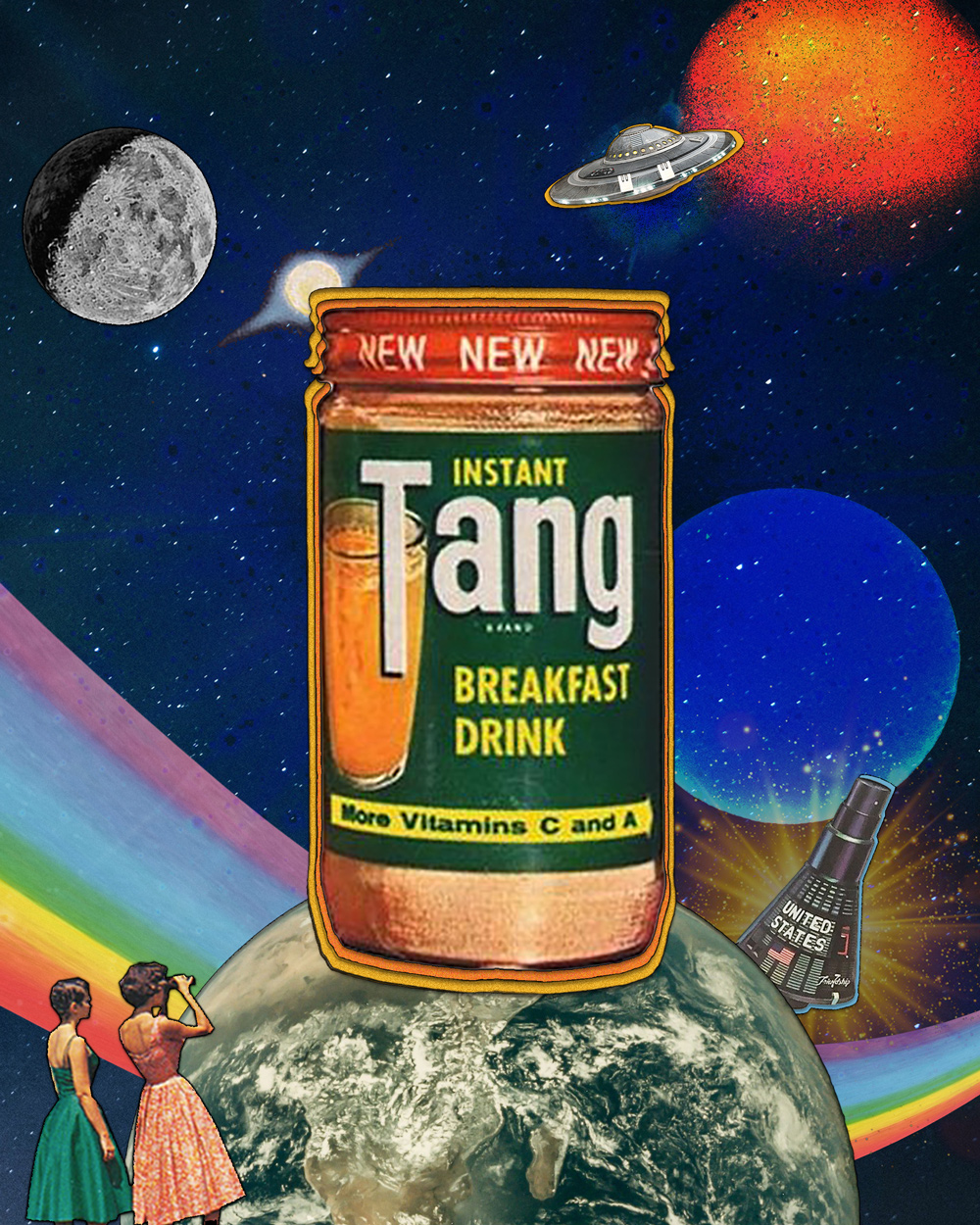
Most people know the classic orange drink TANG, but few know it powers our astronauts while they’re in space. TANG is a favorite amongst crew members on the International Space Station. NASA devotes a lot of its research to food and feeding its astronauts, developing and supporting menus, research, packaging, food, and more for the ISS. We take a look at what they’re working on now.
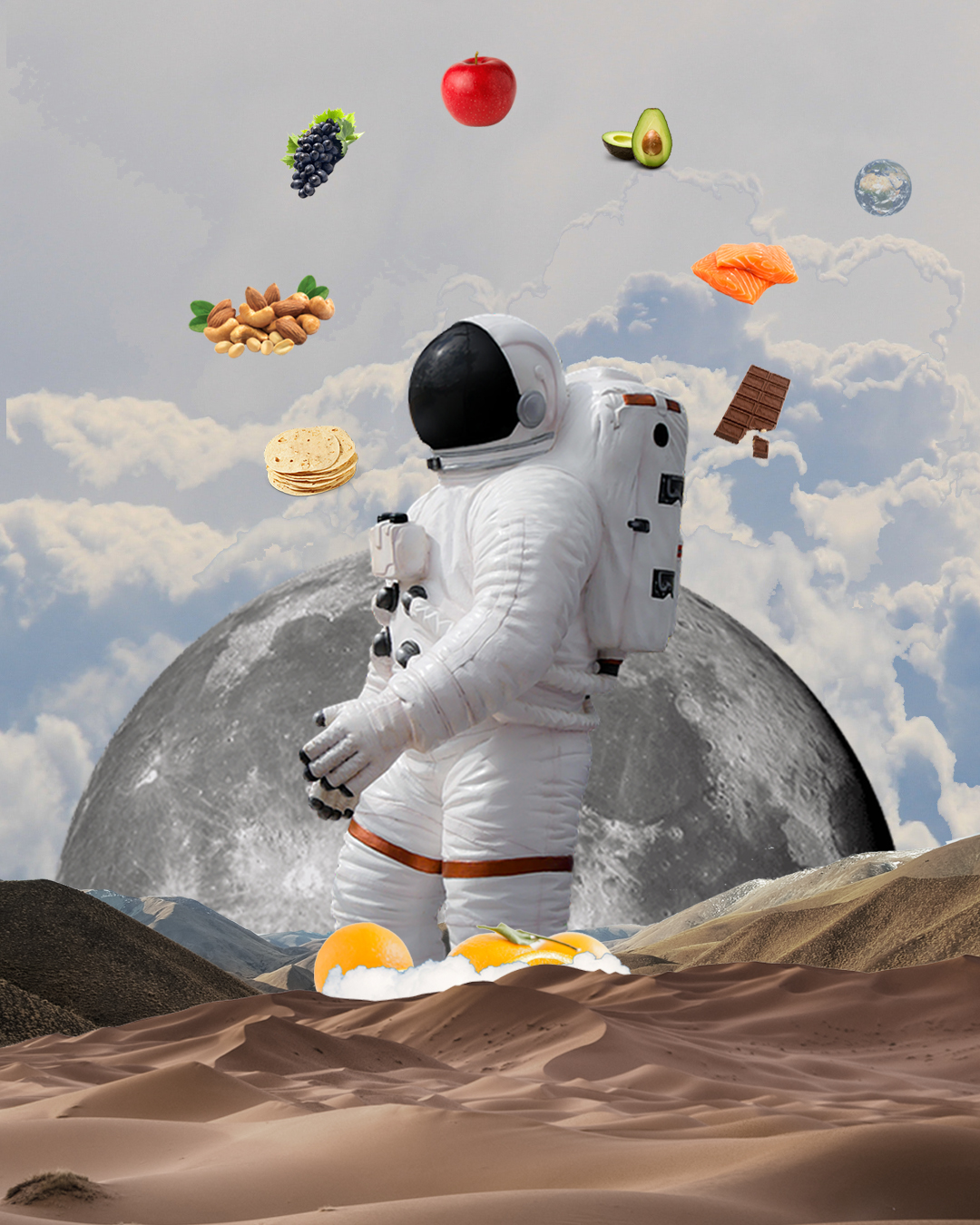
Environmental changes can have drastic effects on the nutrients we need. That’s particularly true for space, where radiation, temperature, and atmospheric pressures act on our metabolism and change astronauts’ nutritional needs. Drawing on the expertise of doctor and citizen astronaut Dr. Shawn Pandya, Sarah Starr reveals what astronauts need to eat in space, and how missions ensure that astronauts are fed properly.
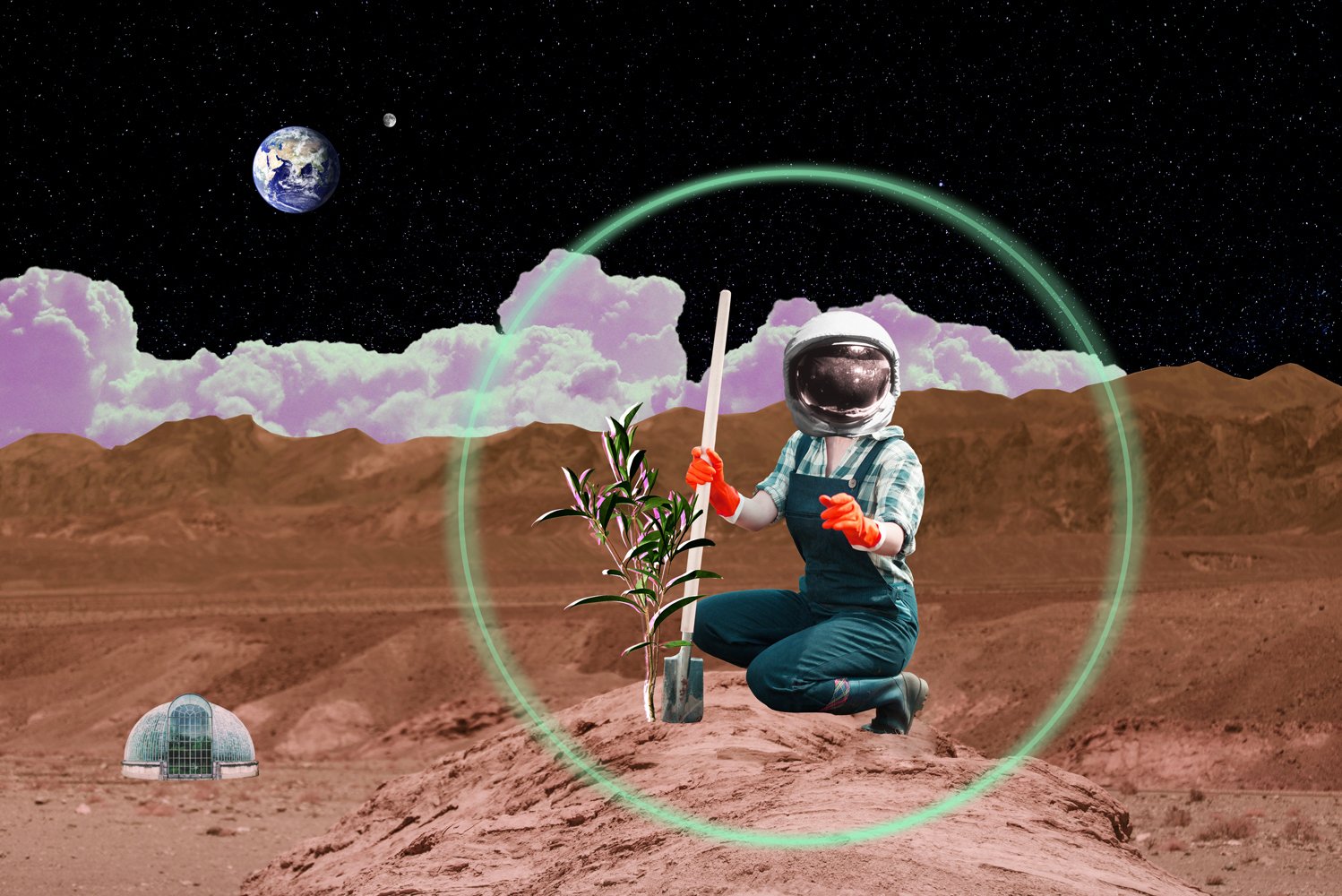
As humans explore the possibilities of getting to Mars, one question is crucial: how are we going to eat there? From traveling to Mars to potentially colonizing the planet one day, feeding people on Mars will be an extremely complex task. We’d need to transport food further than ever before, and create a whole new system of agriculture suitable for the red planet.