
Fast Food
What is fast food?
We’ve asked many questions about it these past few decades. We’ve worried about how fast food has contributed to soaring obesity levels. Morgan Spurlock ate it all day every day for a whole calendar month in his film Super Size Me. We’ve observed how fast food franchises dominate food deserts and food-insecure communities, and asked if it is really the best industry to sponsor sports events.
Fast food is embedded in the cultural mythology of modern North America and has been exported to the world, homogenizing and undercutting native cultures and cuisines — a dynamic Mwende Mutuli Musau addresses in this issue. Drive thru the golden arches and salvation will be delivered by someone in a headset holding out a brown paper bag and an unreasonably large drink. But fast food has also been a villain for health advocates and concerned parents. It has symbolized a culture that had its priorities backwards.
These conversations are evolving with a steadily growing acceptance that sometimes eating fast food is … okay. Is eating ultraprocessed morsels of chicken every now and again really that bad when food corporations are exploiting and mistreating workers; when industrial farming and the meat industry is poisoning the earth? Debunking shame is the first step towards healthier relationships; the same goes for (fast) food.
We need this space to continue opening up if we are going to evaluate where we’re at with fast food and broaden our culinary imaginations. Fast food can be much more than we think. Fast food is also a food that’s created for travelling, to be eaten quickly, when the carnival comes to town, and by parents who are stretched and need to make sure their child gets a square meal. Fast food is memory. As Stephen Mosaku writes, we don’t have to take the cultural ascendancy of fast food franchises for granted, either. Nigerians, for instance, have broadly resisted fast food in favour of convenient twists on the country’s own traditional food cultures.
But this doesn’t mean we should stop asking the big existential questions about fast food. Like — what is fast food? Is it a cuisine? Is it a culture, a lifestyle? Some experts are even asking whether, nutritionally speaking, ultraprocessed fast food even is food. In this issue, Emily Monaco deconstructs a conversation that strikes at the heart of this — is fast food addictive?
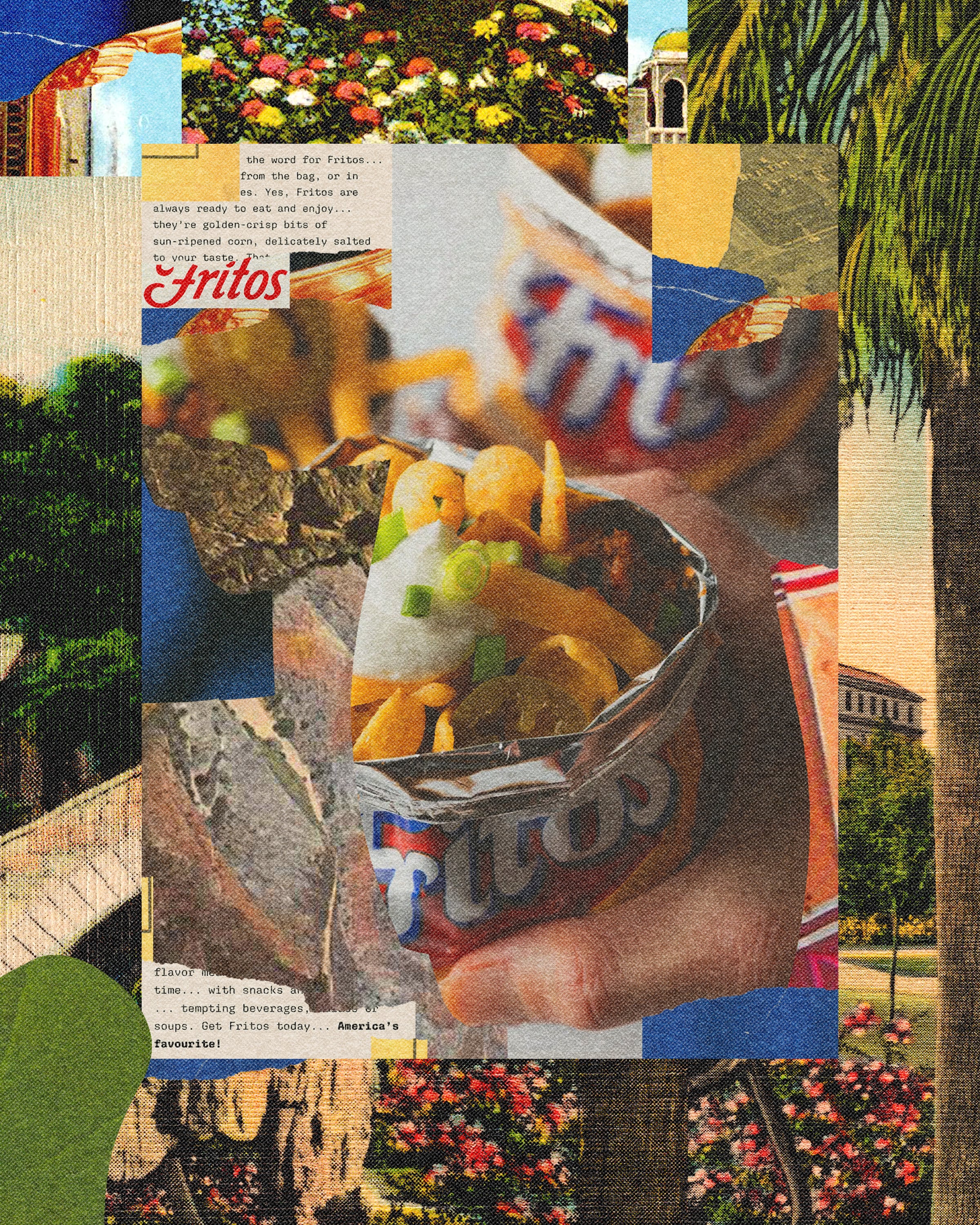
When Anthony Bourdain tucked in to Frito Pie, he described it as “crap in a bag” and insisted he liked it. He saw through his own preconceptions and just saw the food. Food snobs today have taken the ills of fast food and moralized what we eat. As Food Neutrality destigmatizes our food choices, Bourdain’s example suggests we’ve overcomplicated what’s good and what’s bad.
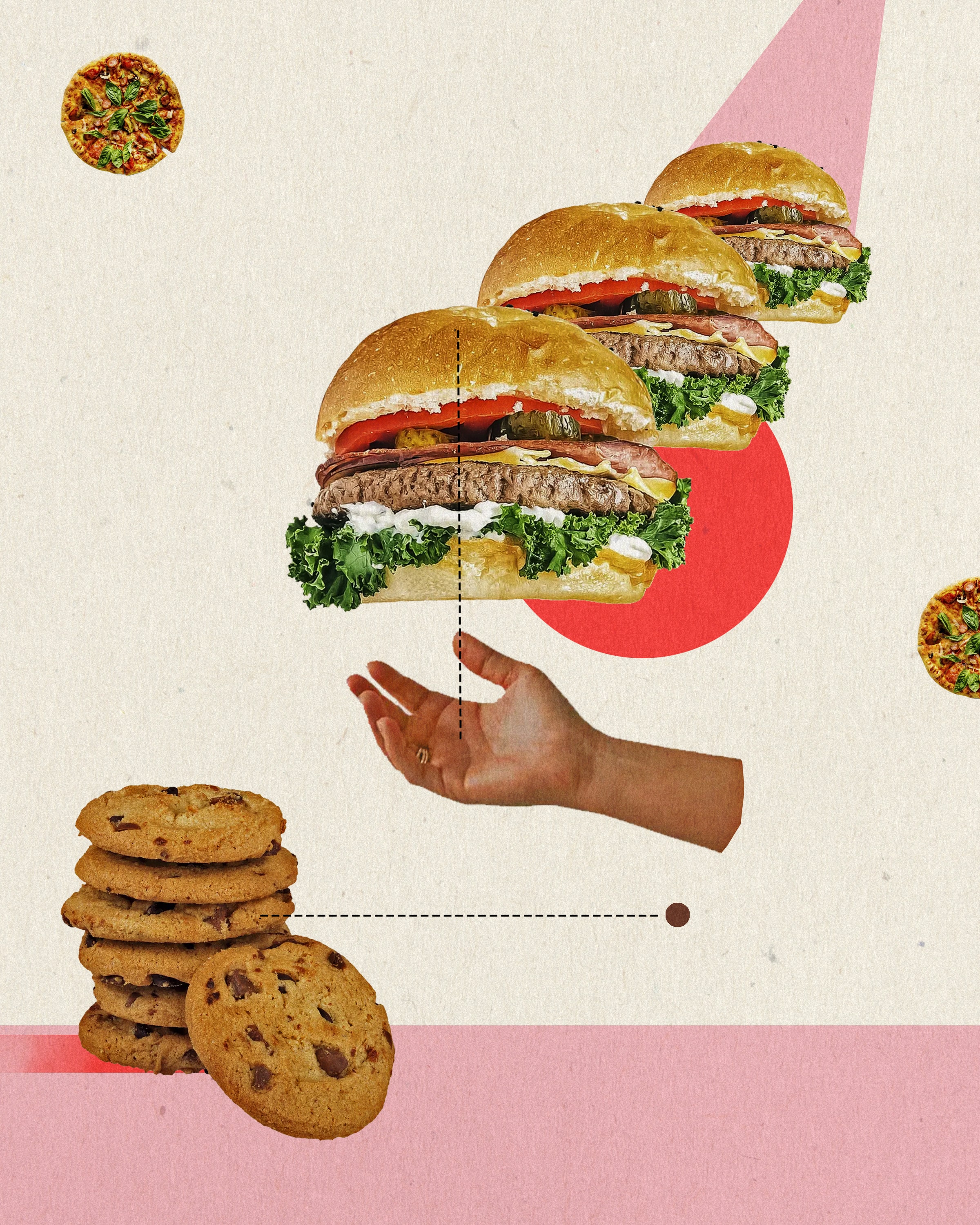
The idea of food addiction is hotly debated among health experts, who argue that there is little proof for the idea we can be addicted to or physically dependent on fast food. And yet, it’s clear to many of us that there is something about fast food that makes it particularly hard to resist and can lead to compulsive overeating. What’s going on?
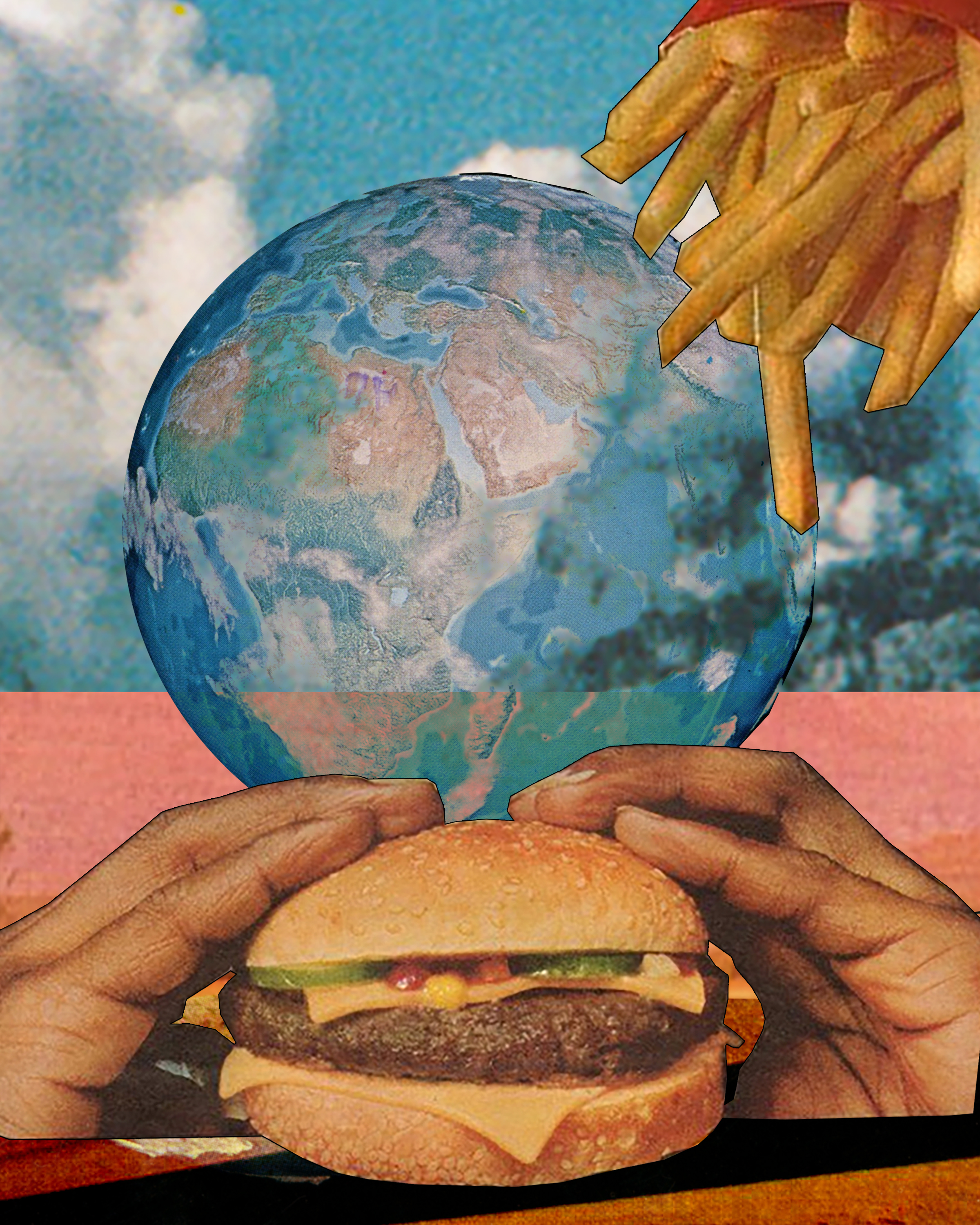
Several decades of discourse on Fast Food has firmly established it is bad for our bodies. In Africa, that is no different. But as Mwende Mutuli Musau explains, Fast Food contributes to more than obesity, but to cultural erasure and wealth extraction, too.
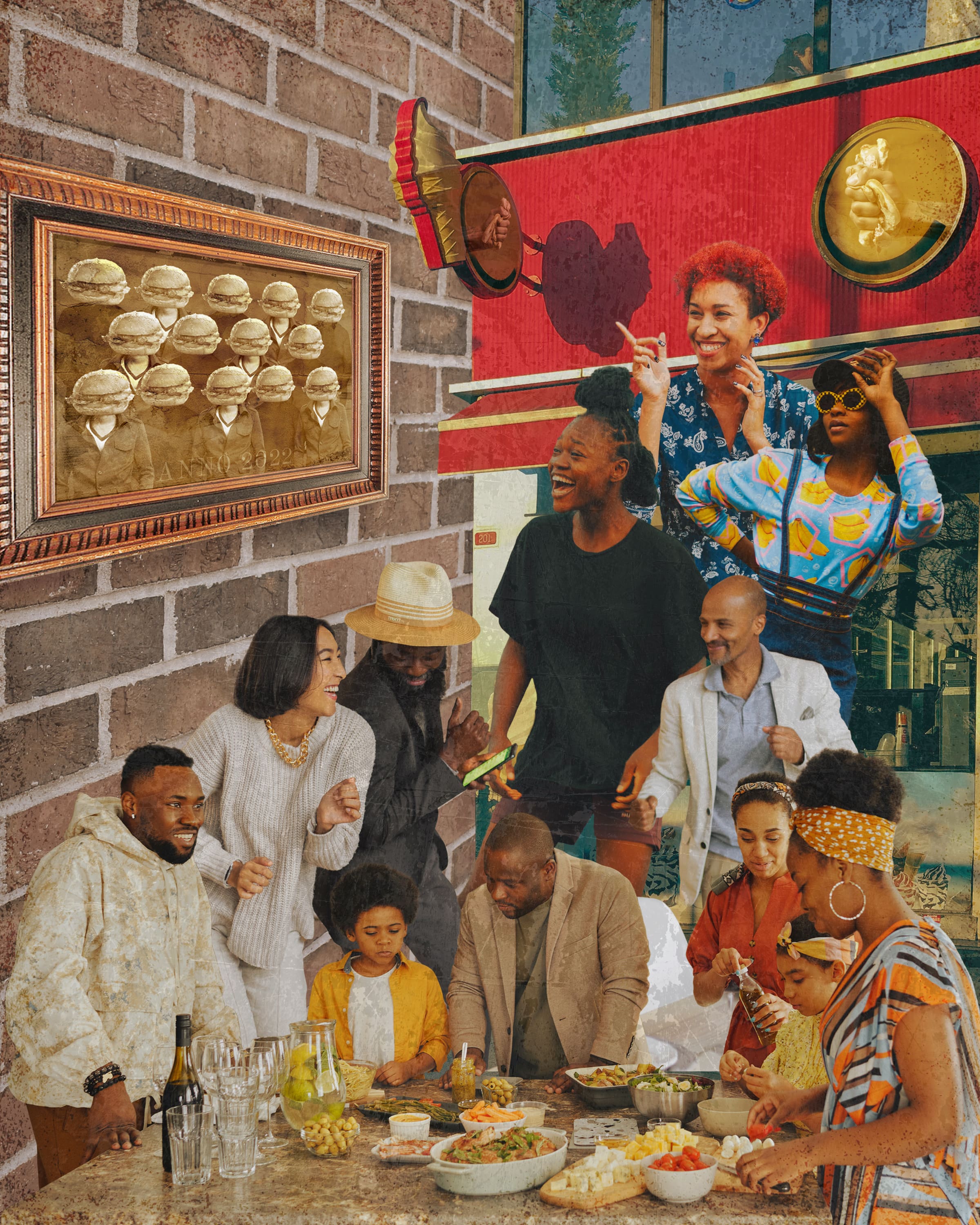
Fast food corporations look for new markets wherever they can, inserting themselves into food cultures across the globe. But in Nigeria at least, this North American export is not having such an easy ride, as Nigerians reject fast food stables in favour of traditional domestic dishes.
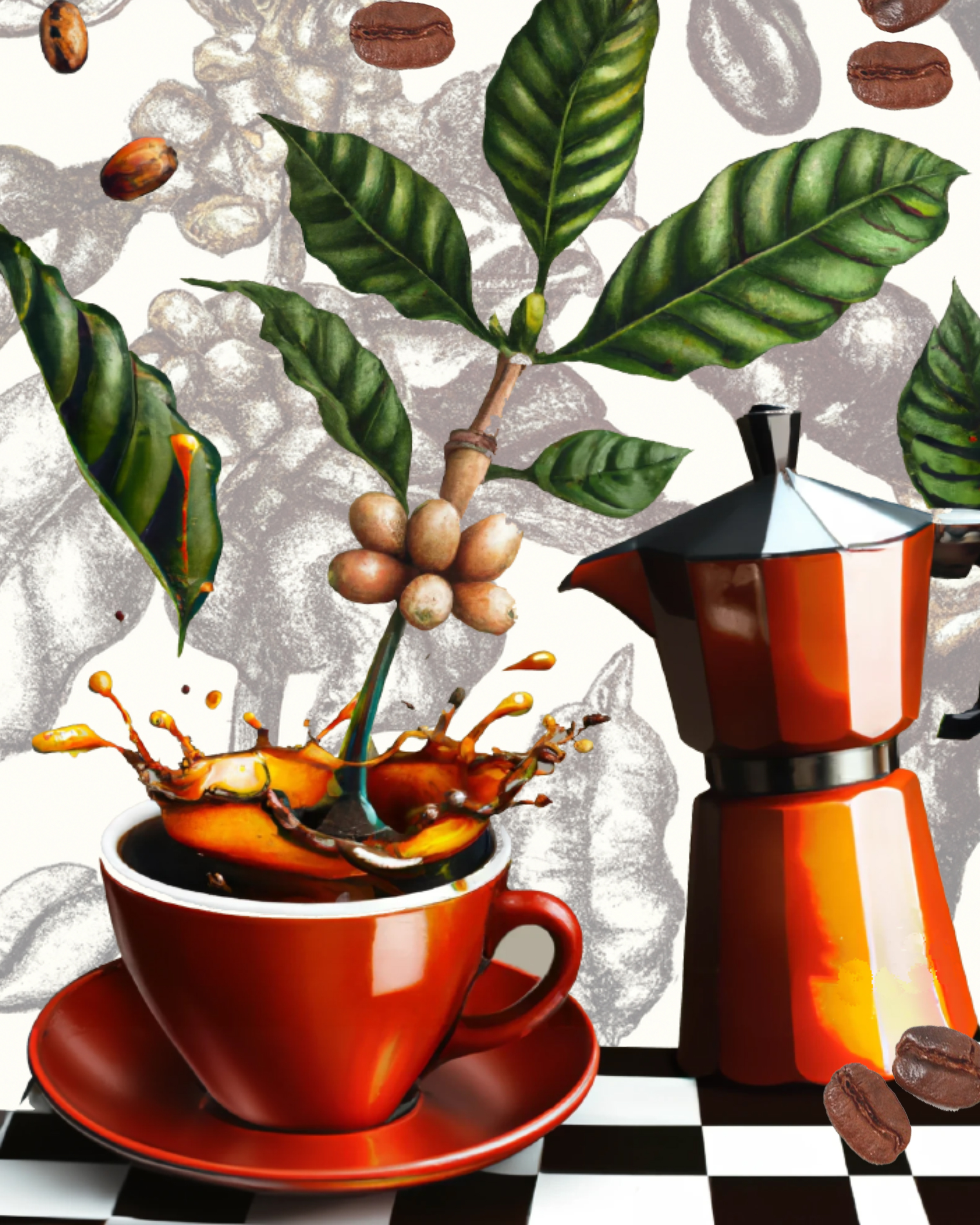
Millennials and Generation Z are driving new habits in coffee drinking. There’s more variety than ever and this growth in diversity is challenging what some of us believe is the ‘right’ way to do coffee. But, as Mauricio Interiano admits, anything that makes coffee more accessible is worth celebrating.
