How holiday leftovers reveal our blind spot on abundance and scarcity
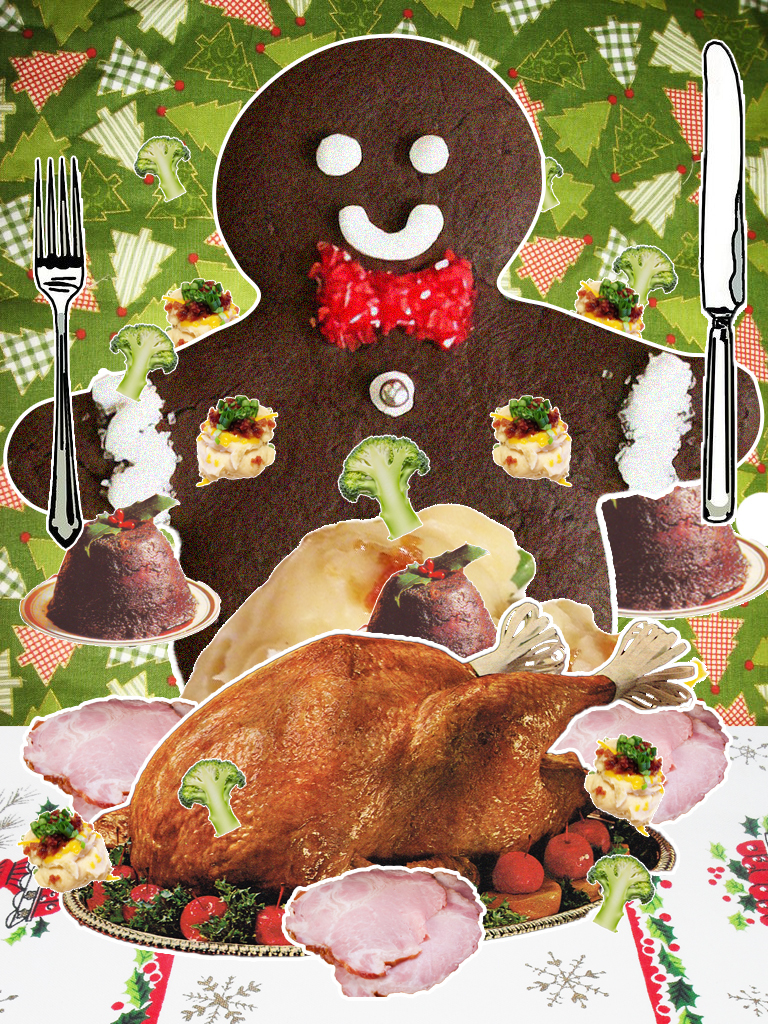
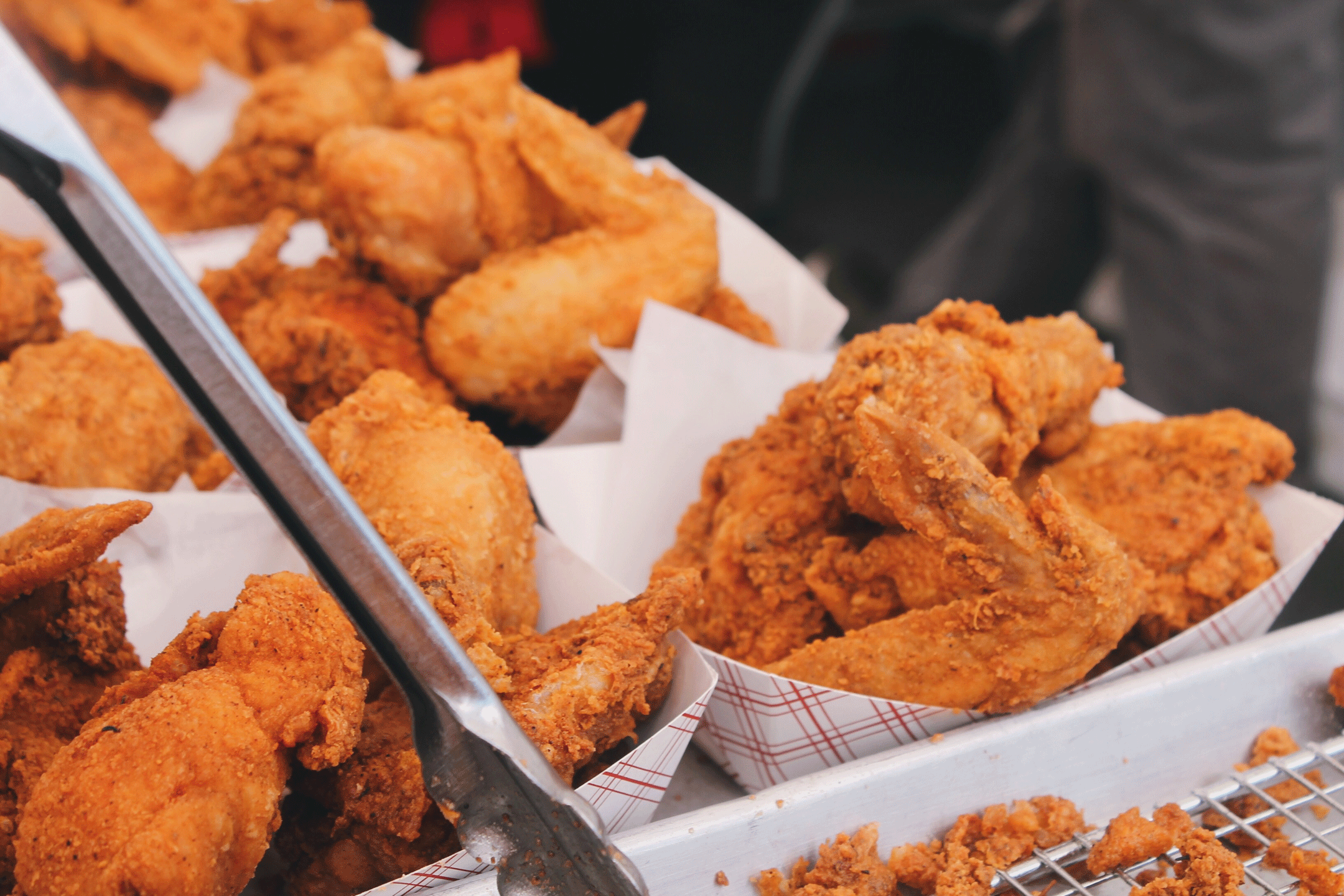
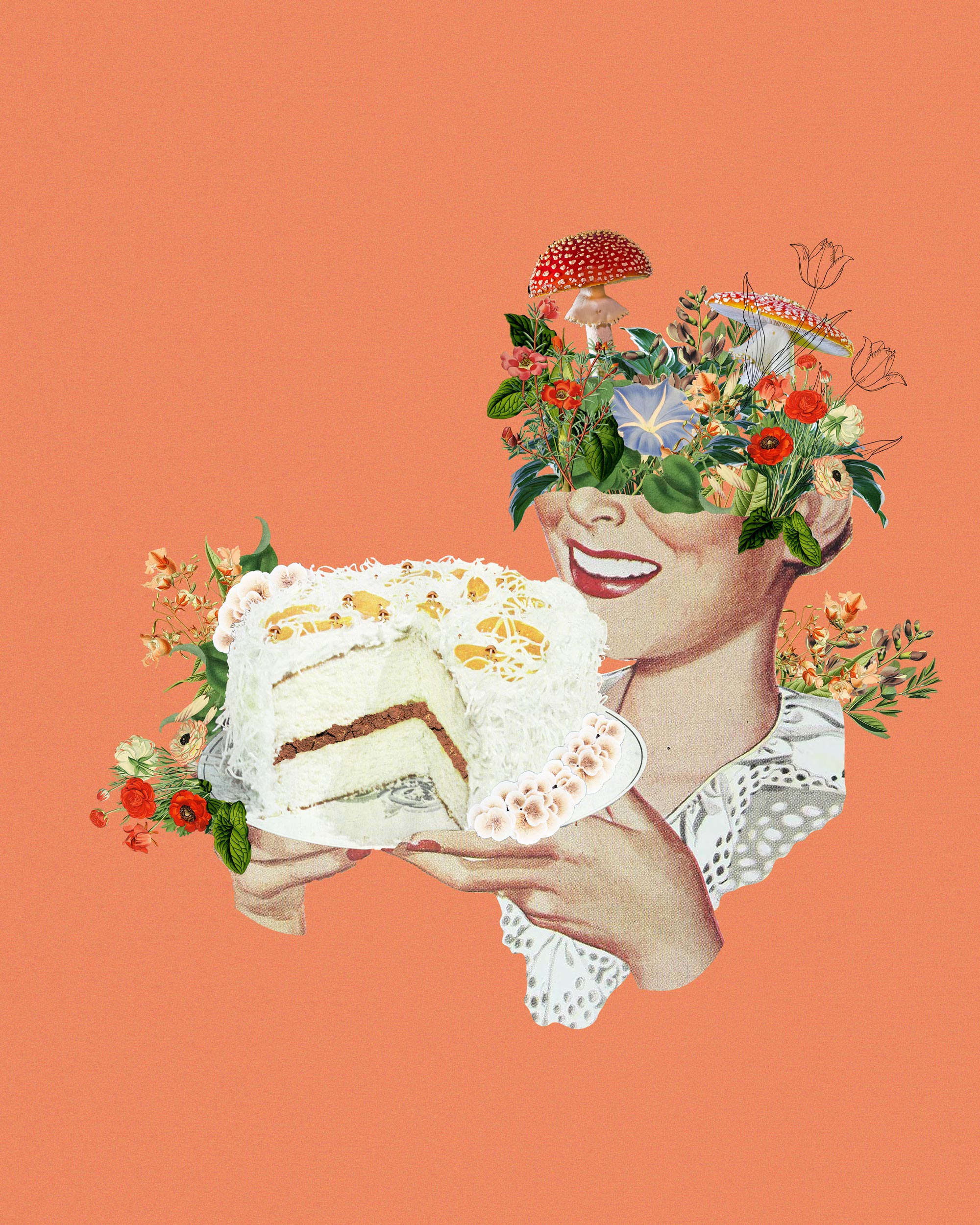
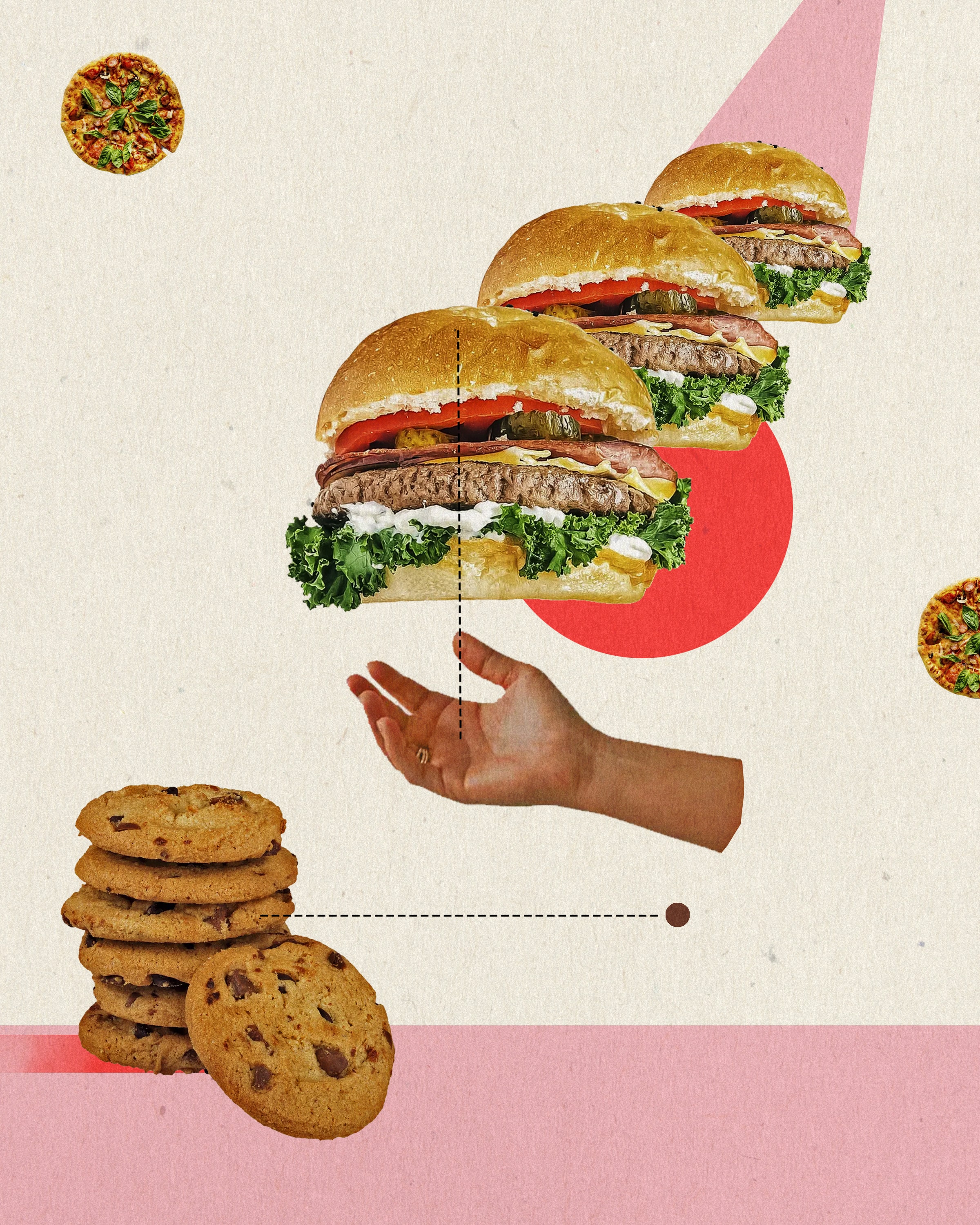
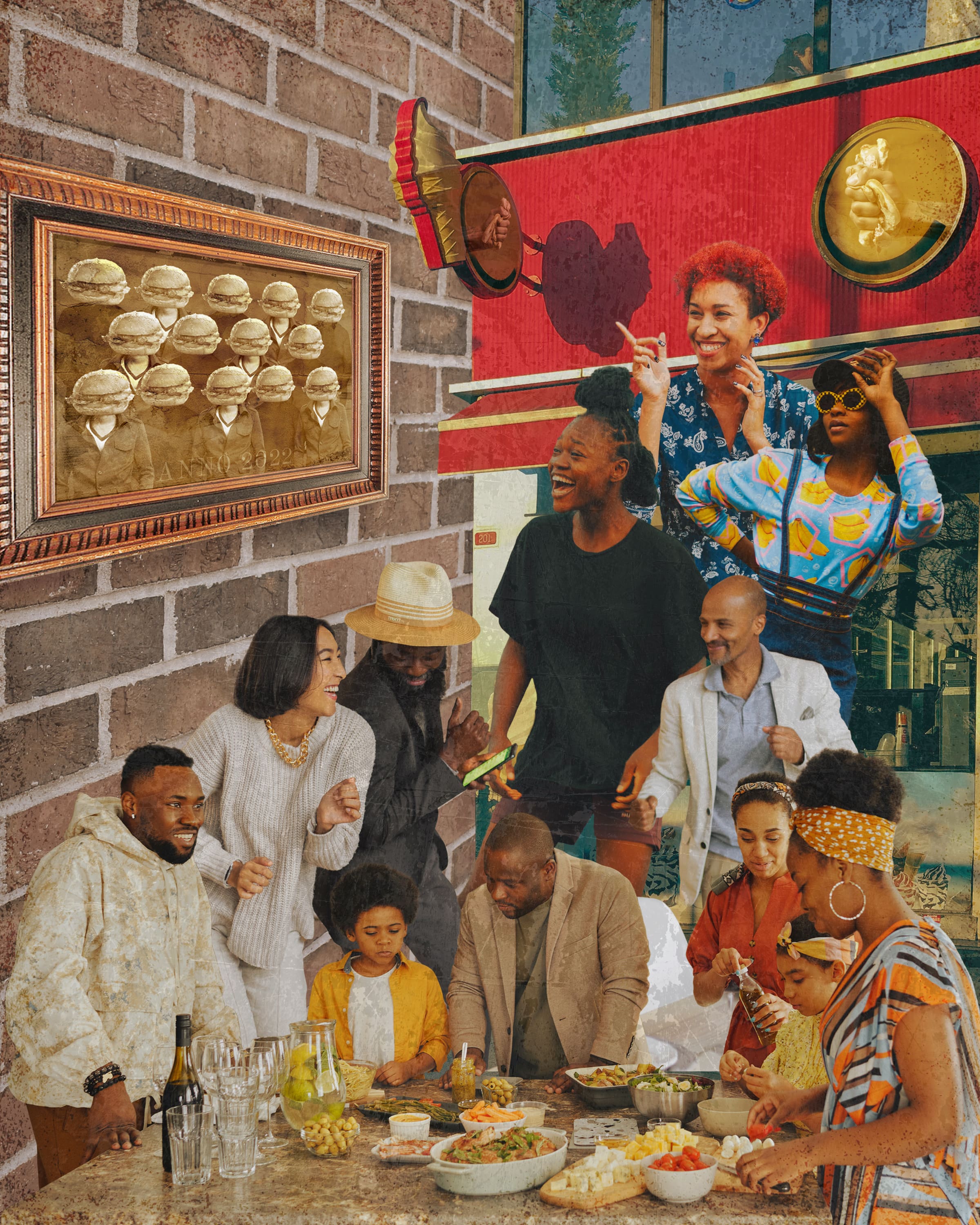
When everyone has finished eating Christmas dinner, I return our plates to the kitchen. While mine is spotless — as if a dog had licked it clean — there’s a small hill of mashed potatoes and a mound of pot roast left on my sister’s plate, enough food for a hearty post-Christmas snack.
Like all those who celebrate Christmas, Americans prepare buffets of food for the holiday, a mere month after Turkeys were pardoned at Thanksgiving. Despite the bounty around me, I relish eating nearly everything I cook, serve or order for myself. I don’t need to because there’s so much food. But American ideals and abundance leave us with equally large amounts of leftovers and guilt at the food that might go to waste.
This mental struggle troubles me throughout the year: “Will expired food make me sick?” “Can I stretch this serving into two?” “Why don’t more people care about wasted food?” But this struggle is far more pronounced during the holidays. I worry about my cognitive dissonance. Surrounded by too many cookies and casseroles, I can’t make it through the “most wonderful time of the year” without micromanaging my food intake and shaming myself for throwing away once-good pie.
I eat my parents’ abandoned food items throughout the year... [t]hey trust me to eat their scraps.
In the US and other western countries, Christmas highlights our failure to embrace leftovers and our different attitudes to it.
I eat my parents’ abandoned food items throughout the year, which makes me something of a leftover messiah in their eyes. Whatever the reason, they trust me to eat their scraps. My white-middle-class guilt can’t help but to see others starving in my bowl of soup. I’ve scared myself straight to do more.
At Christmas this dynamic is heightened. My family tends to save stuff for a week. My mother usually taps out after a day and a half, but compared with my father and sister, she’s doing the Lord’s work. They are highly selective with their leftovers, distracted by other, newer food they think is more desirable.
Last year in fact, my mother bought food-storage containers so our relatives could take food home with them. Only a handful of us used them, and she gave me the rest of the unloved vessels.
Even when the solution to food waste is presented to people they are reluctant to take it. Yet I on the other hand — seeing the climate crisis escalating — have become a vegetarian and avidly plan my meals. Many Americans simply do not care as much about food waste and food deserts. I often feel foreign in the culture that formed me.
But it doesn’t have to be like this.
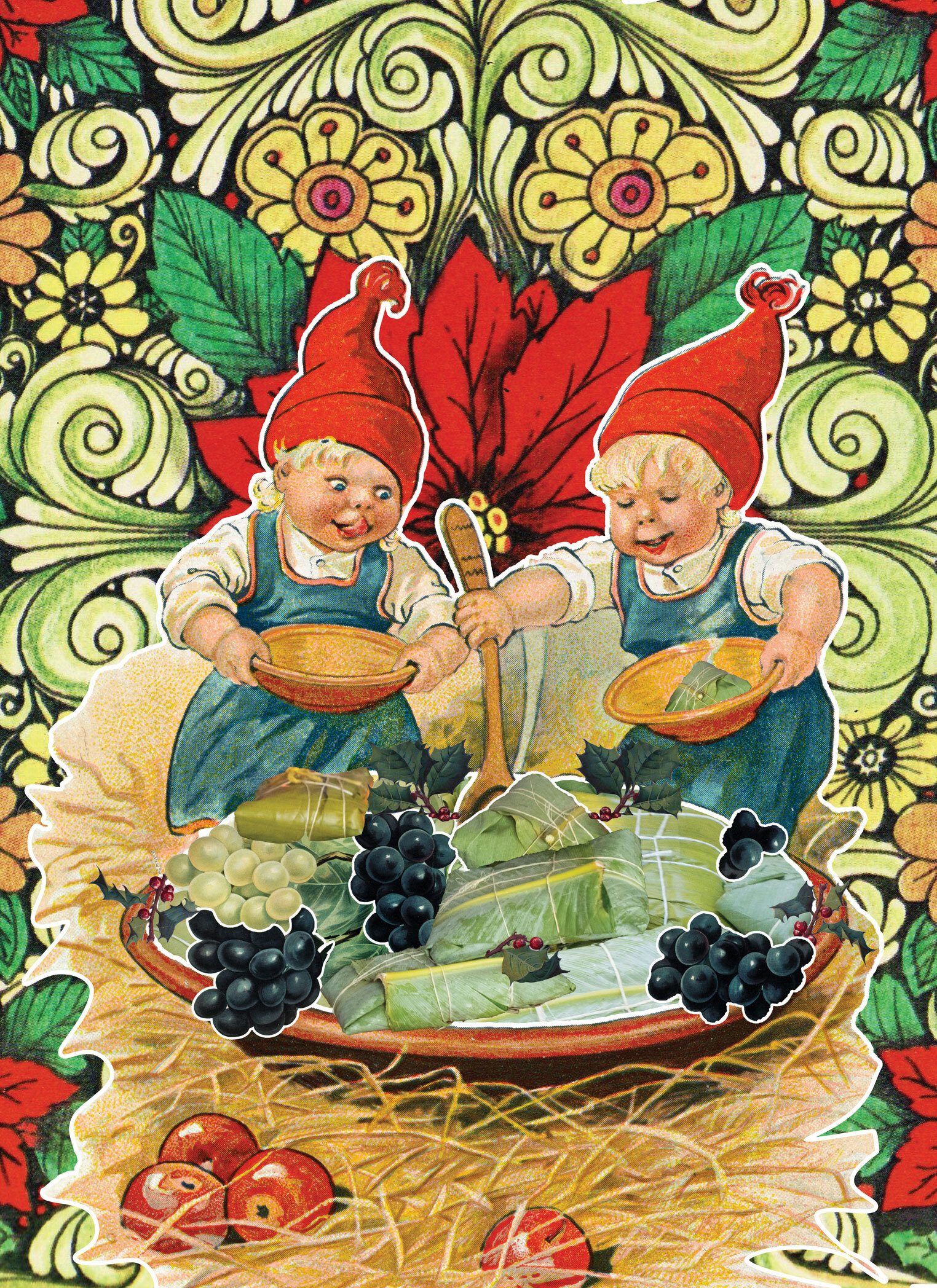
European countries, for instance, continue to reinvent holiday leftovers. Scandinavians pickle Christmas meats and Italians transform their leftovers into pizza toppings. Finns turn uneaten ham into pea soup. In Honduras, food is prepared to be eaten for a festive season that can last until January 6.
Europeans also have a natural limit on food waste: they serve smaller portions than their North American counterparts.
But it is not just at Christmas and Thanksgiving where leftovers are baked into festive food. Families celebrating Islamic holidays like Eid al-Adha and Eid al-Fitr cook far more than they need, a tradition rooted in a history of feeding and tending to the needs of the poor, which continues to this day. You’re also cooking extra for friends and family who could stop by.
In 2016, I studied in South Korea, which has been recognized for its work to reduce food waste. The country’s government requires people to buy specific yellow garbage bags for food scraps. I stumbled through conversations with the convenience store clerk to purchase these bags, but I was always grateful to contribute in this small way to reducing food waste.
Europeans also have a natural limit on food waste: they serve smaller portions than their North American counterparts. Reducing food waste is now backed by government policy, too. Spain, for instance, passed legislation requiring bars and restaurants to provide customers doggy bags and boxes for taking food home with them. (Something that, in fairness, is very natural in North America.)
There are now endless recipes for reusing leftovers. Best Leftover Ever! gave uneaten food the Netflix treatment, as tenacious home cooks made the most out of Chinese takeout, day-old pasta, and more. But should cooking up our scraps have really warranted this?
There is nothing new about using leftover food. In the 1800s, the French lower class made broths and unique dishes from yesterday’s food.
Choice echoes patriotism and one’s freedom to sample three different potato salads.
During World War I, Americans took pride in rationing food and repurposing leftovers to send nourishment to troops in Europe. Britain’s most potent national myths are rooted in the spirit of ration books and wasting nothing for the national good. But as food became more accessible in the US, abundance for all encouraged the rich to look down on others who used remnants the wealthy could now afford to ignore.
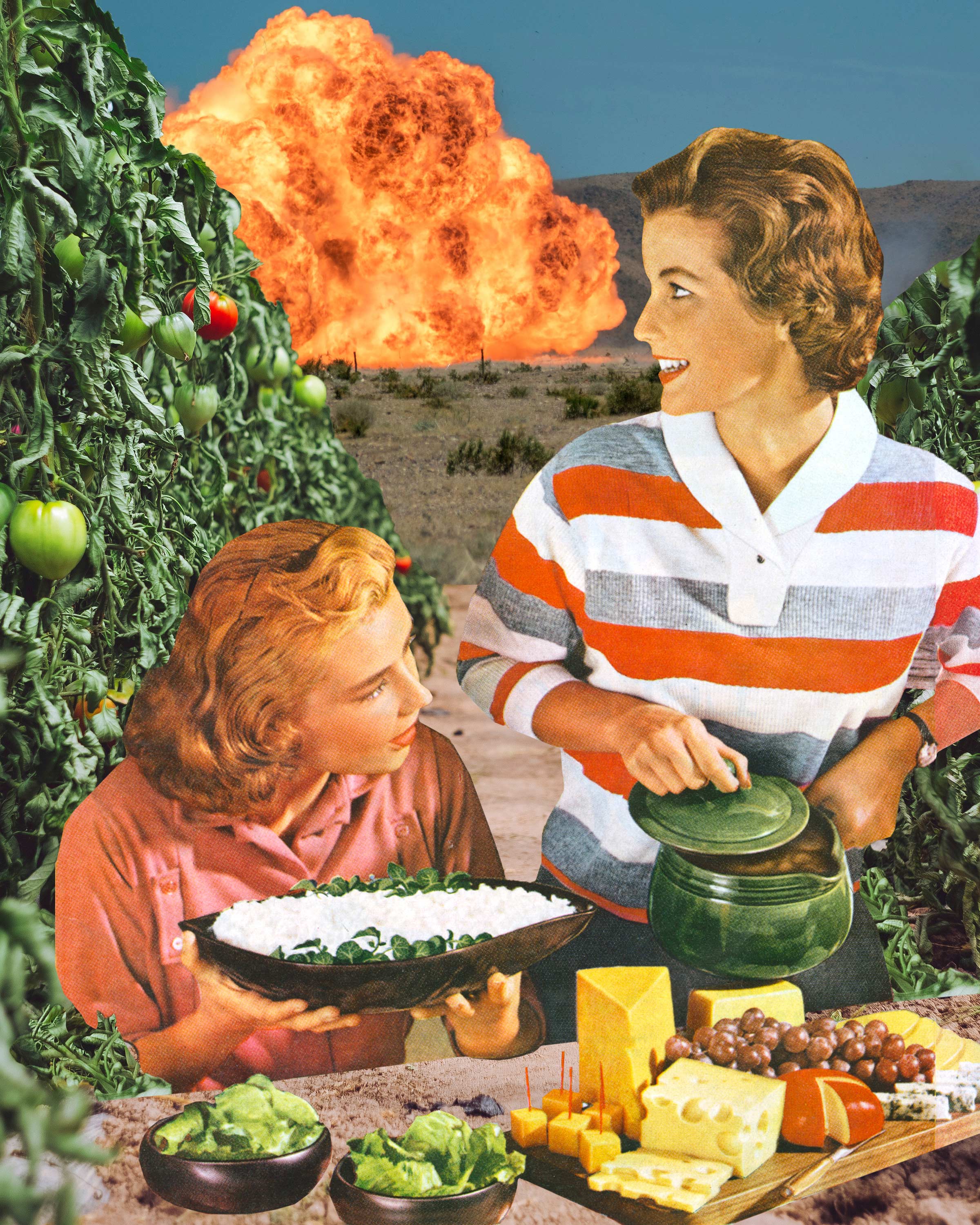
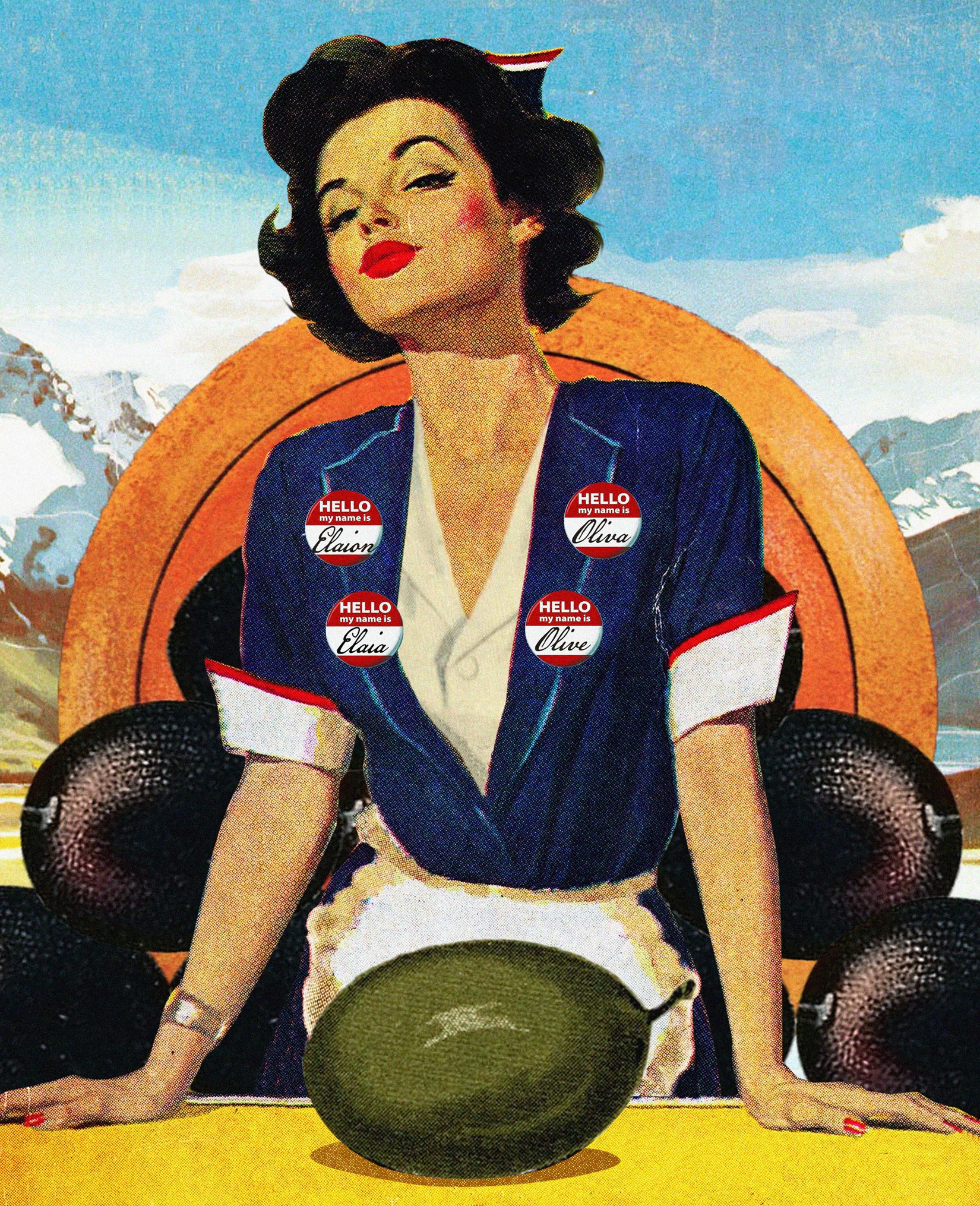
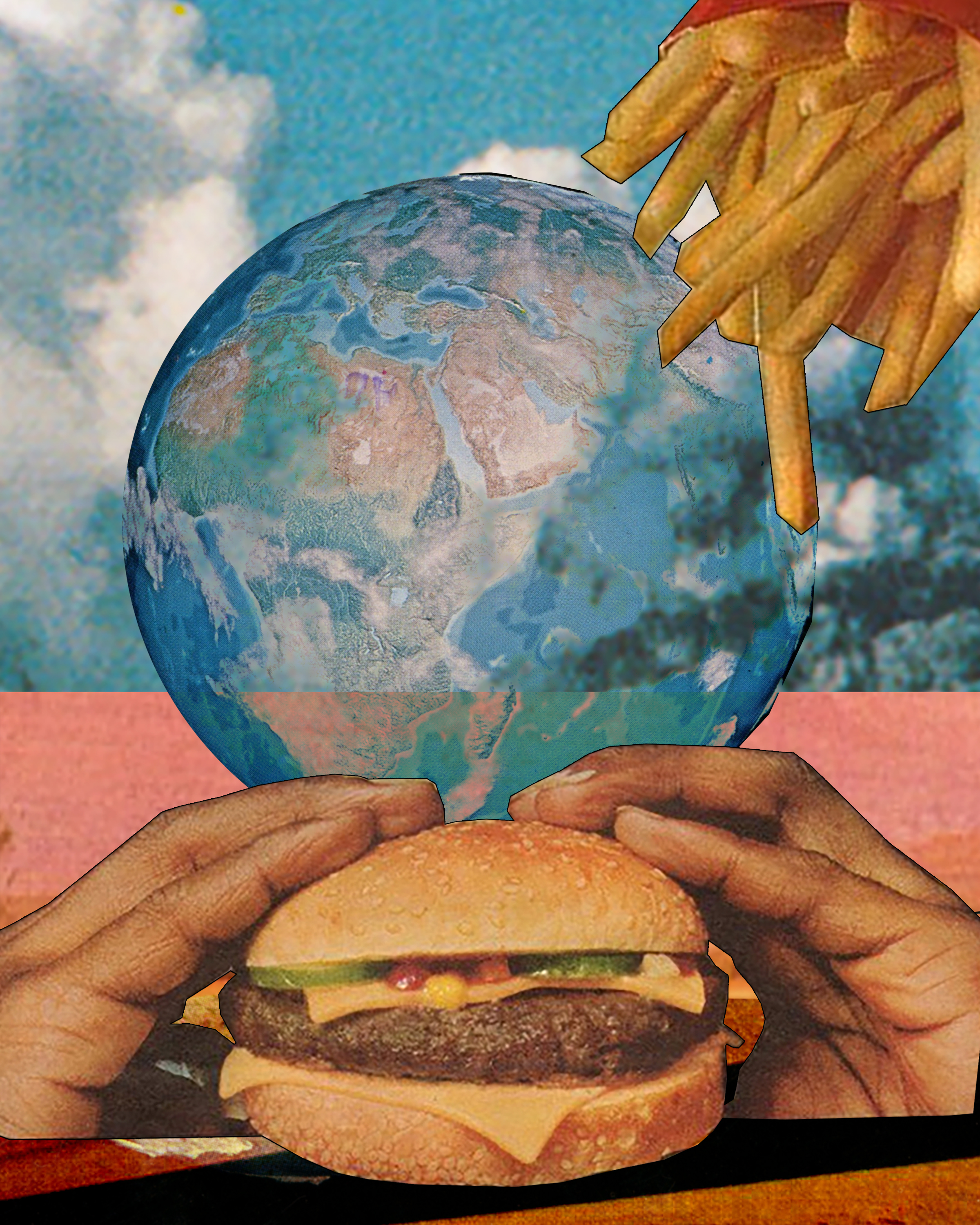
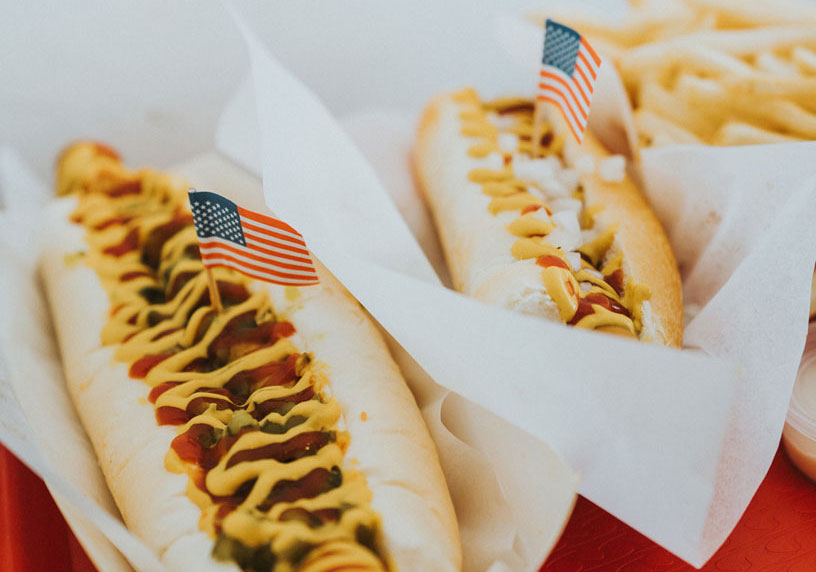
Part of the problem lies in modern US culture, which tells you that having more choices is good. Whether you’re browsing an Independence Day barbeque spread or Cheesecake Factory’s novella of a menu, choice echoes patriotism and one’s freedom to sample three different potato salads. By creating random food holidays and targeting advertising at children, corporations entice you to buy and to eat what you don’t need and what you don’t yet have.
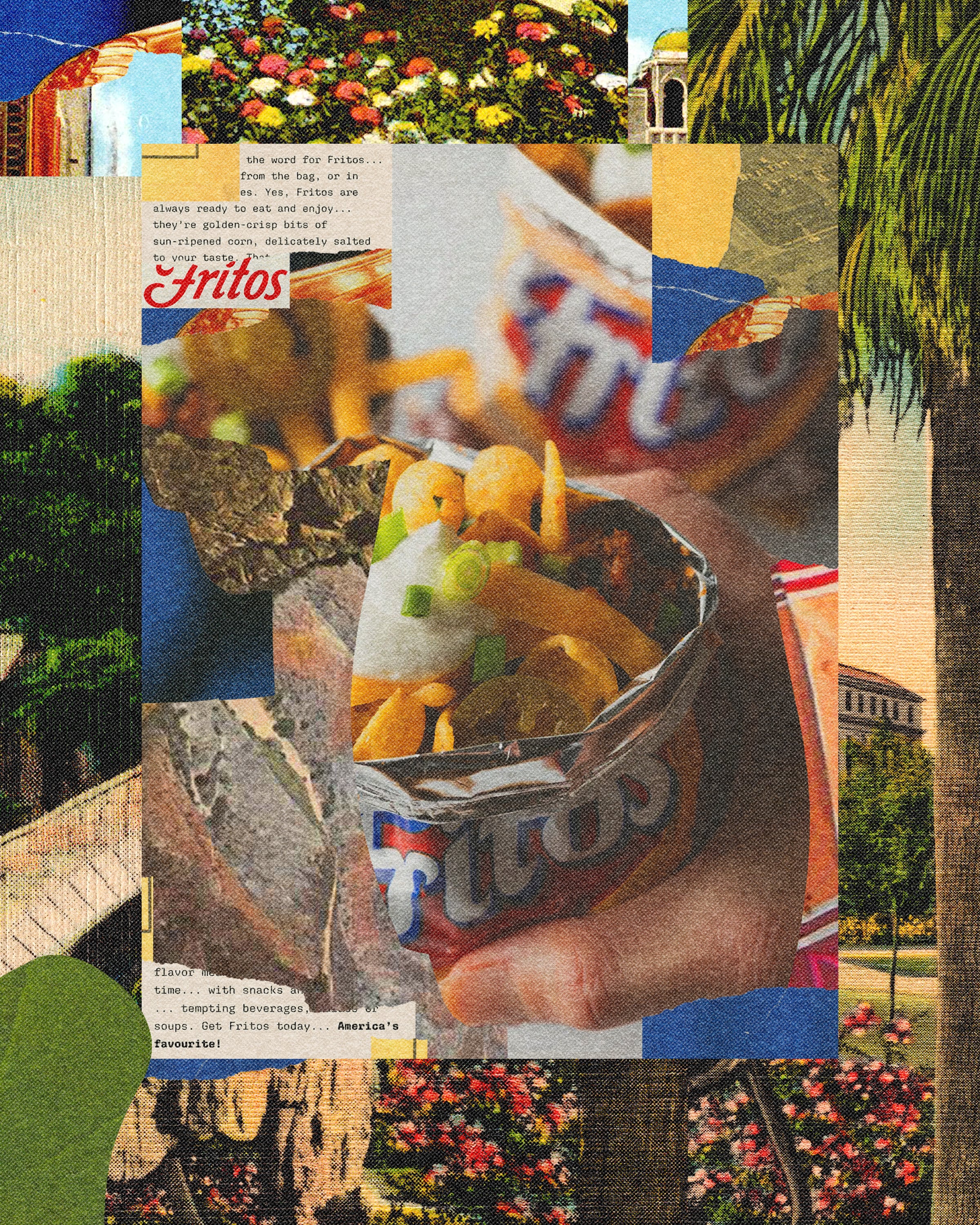
Popular Christmas-time commercials in which Hershey’s Kisses double as bells and polar bears drink Coca-Cola impart this message to the extent that Americans find comfort in the familiarity of absurd marketing messages. For decades, American vintage Christmas adverts covered all the bases of an abundant meal. Consumers must prepare appetizers, offer guests brand-name beverages, bake multiple desserts, and brew coffee.
My family survived when our pet dog ate the whole apple pie herself. Society does not need this many desserts. But when you’re told that you’ll miss out today and tomorrow if you don’t cook to excess, what good is yesterday’s food?
Decades of marketing-meets-patriotism has persuaded Americans they don’t need to worry about what happens to the food they eat — and to be honest, waste in general. I’ve recently moved to Texas, where there is no government resource for me to recycle, let alone compost. The United States is infamous for its food waste but it needn’t be like this, particularly when it was once ingrained in our culture and still shapes our holiday traditions.
The planet and your bank account will thank you for embracing yesterday’s food. So this year, please, save me from tears and find a way to reuse your leftover vegetables and mashed potatoes. Consider it a late Christmas present from me.