Textile
On the face of it, our Textile issue marks a bit of a departure from our usual themes. It relates far more to agriculture than to food, and it doesn’t seem to tell us much about what we eat and what’s on our plates.
But one thing this issue should show is that this is only really half true — if that. The future of textiles isn’t just about improving practices and using natural, plant-based materials — although, as Tabby Kibugi writes in this issue, that very much is the case for plant-based indigo in the denim industry.
The future of textiles and fashion is also about turning food waste into fabrics and finding new fabrics from old sources. In this issue, we see how farmers are making fabrics out of the “incredibly wasteful” banana plant, and learn about the traditional Ugandan fabric made from fig trees that is so versatile, you’re just as likely to wear it as you are to see it in your kitchen.
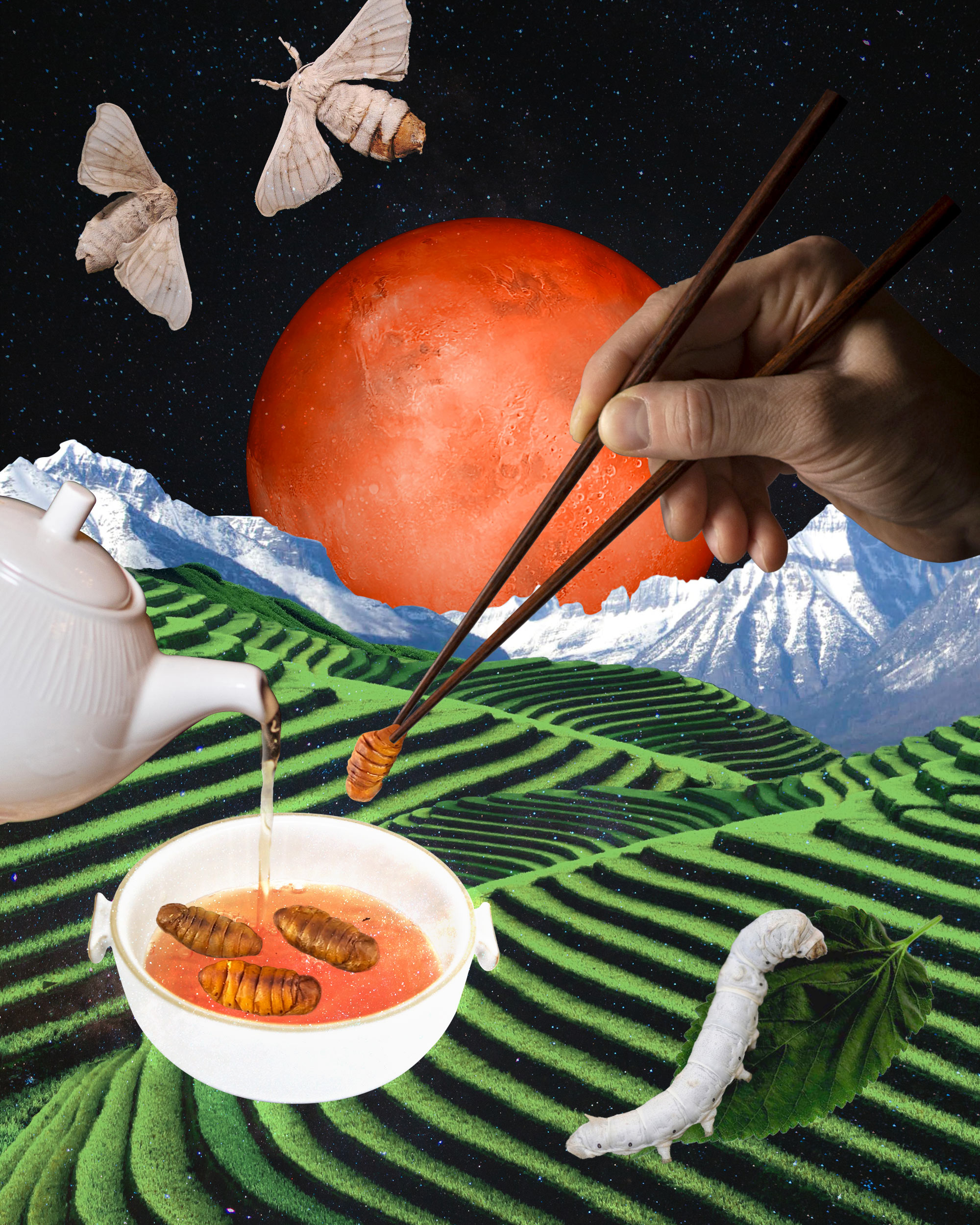
Giulia Alvarez-Katz interrogates why only some silk-producing countries eat the waste product from the process of making silk, silkworm pupae, and in doing so offers us insights on how and why certain foods are adopted. With the UN continuing to advise humans to adopt insects into their diets, she leaves us with much to ponder — as well as a fascinating story of a novel culinary delicacy, a story of trade and empire, migration and cultural intermingling.
And finally, Jen Sizeland breaks down the vital role that agricultural textiles have long played in farming, and why many believe it is time to ditch the materials. In doing so, she reveals the broad reach of textiles into different parts of our daily lives, and underscores how our textiles are embedded (quite literally, in this case) in the systems that feed and sustain us.
Maybe textiles do tell us a lot about what’s on our plates after all.

The traditional fabric barkcloth thrived culturally and economically in Uganda until British colonizers brought new priorities, and nearly wiped out the whole industry. But today, this fabric looks set for a future as a sustainable source of textiles.
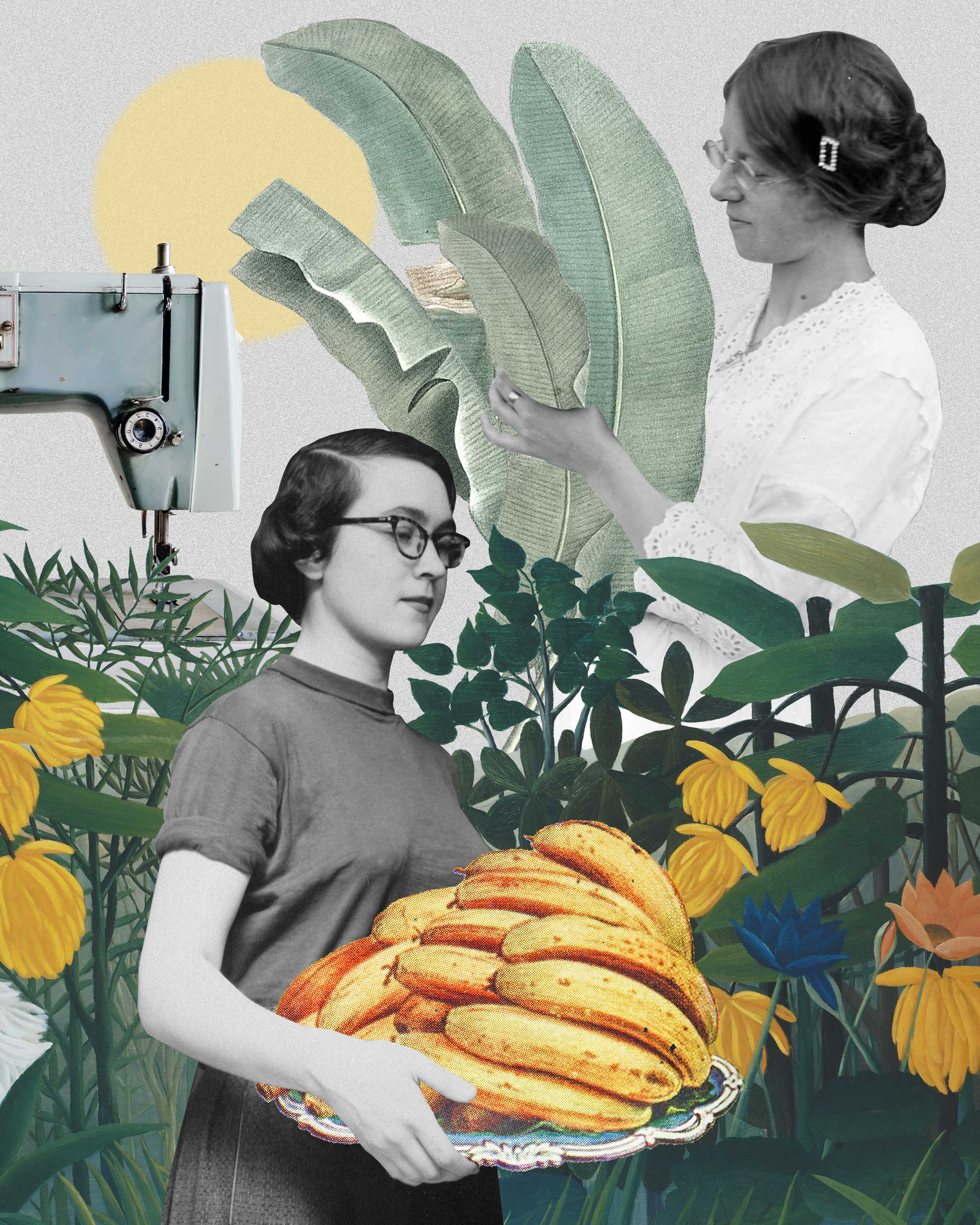
In 2019, research showed that nearly 90% of the banana tree is wasted in production. But Nigerian farmers are now putting that waste to good use, by turning it into a source of sustainable fabrics. Now that technology has caught up with the fabric’s versatile qualities, it may not be long until banana fibre fabrics are the norm.

When Karen Baker noticed the synthetic indigo in her denim clothes was making her skin itch, it set her on a journey to learn how to dye her own fabrics. She realized as early as anyone that plant-based indigo could reduce the danger denim poses to us and the planet — and now others are starting to catch on.

Few people realize that technical textiles are used to grow and protect crops. But, even as the world’s biggest democracy makes them a key part of their trade strategy, a movement is growing to phase them out of agriculture in favour of nature-based solutions.