Insects
Eating insects is not a solution and it is not cool.
Just ask India’s Dalit and indigenous communities, who’ve been eating more than 300 species of insects for centuries, yet endure prejudiced, caste-based tropes about ‘poor’ and ‘dirty’ food.
Or, you could send off a query to thousands of families in the northern latitudes of southern Africa. Although don’t expect a reply during harvest time, when entire families camp out in woodlands to pick as many mopane as they can. The mopane — a caterpillar of a species of emperor moth — is a vital source of nutrition and stimulates cross-border trade in southern Africa worth $50 million a year.
Yes, insects are a viable solution to many of the challenges the climate crisis presents to sustainable human diets. But to speak of problems to solve in the future misses the point. We already eat insects. They are already a lifeline.
As Lydia Carey describes in her report on chic eating and insect farming in Mexico, consuming critters is fraught with danger. Without first prioritizing the existing guardians of insect eating and ensuring the food security that bugs already offer communities across the globe, we risk reproducing exploitative food systems at the altar of sustainability. As a collector of honeypot ants asks: “We think that we are going to cultivate them, but why aren’t we thinking about cultivating ourselves?”
We need to break harmful stereotypes and disrupt limiting ideas that eating insects is weird or cool. Normalizing the practice can offer a new source of protein that won’t decimate the planet in the same way that eating animals already does. It’s fine if it isn’t for you. But judging or exoticizing the practice won’t help anyone.
There are a few more practical concerns we’ve got to get our heads around, too. As Tabby Kibugi writes, food safety standards will need to be adopted and perceptions adjusted. When a French botanist took the challenge of colonizing Madagascar into his own hands, he brought disaster. While we should hope that those at the forefront of entomophagy today are not so nefarious, we should not be complacent about what seems like an easy solution.

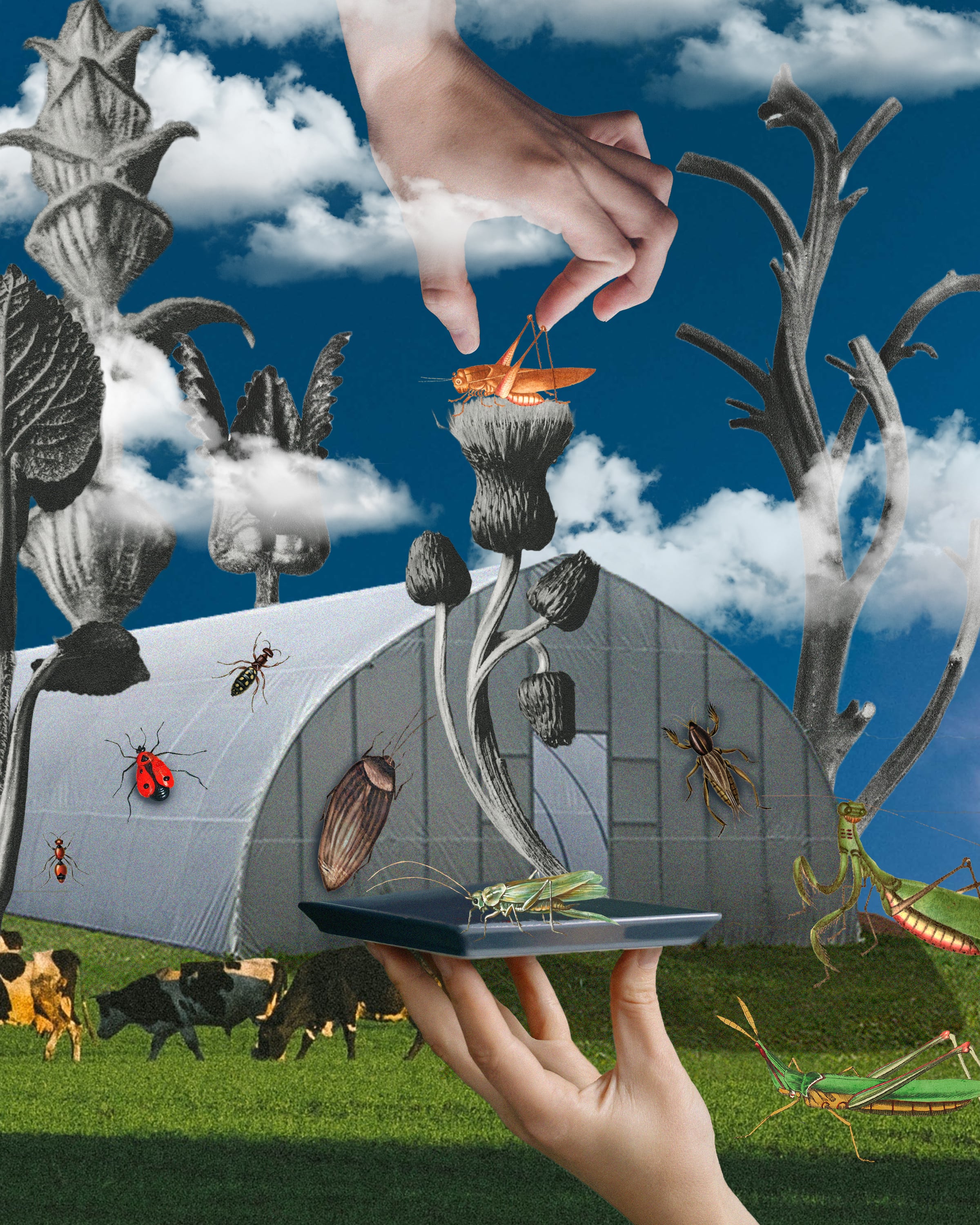
Throughout November and December in the northern latitudes of southern Africa, you’ll find families camping out in woodlands. They are there to harvest the mopane worm, which is a vital source of protein in a region where the danger of malnourishment is serious. Now, social entrepreneurs see an opportunity to bring the mopane to a wider audience.
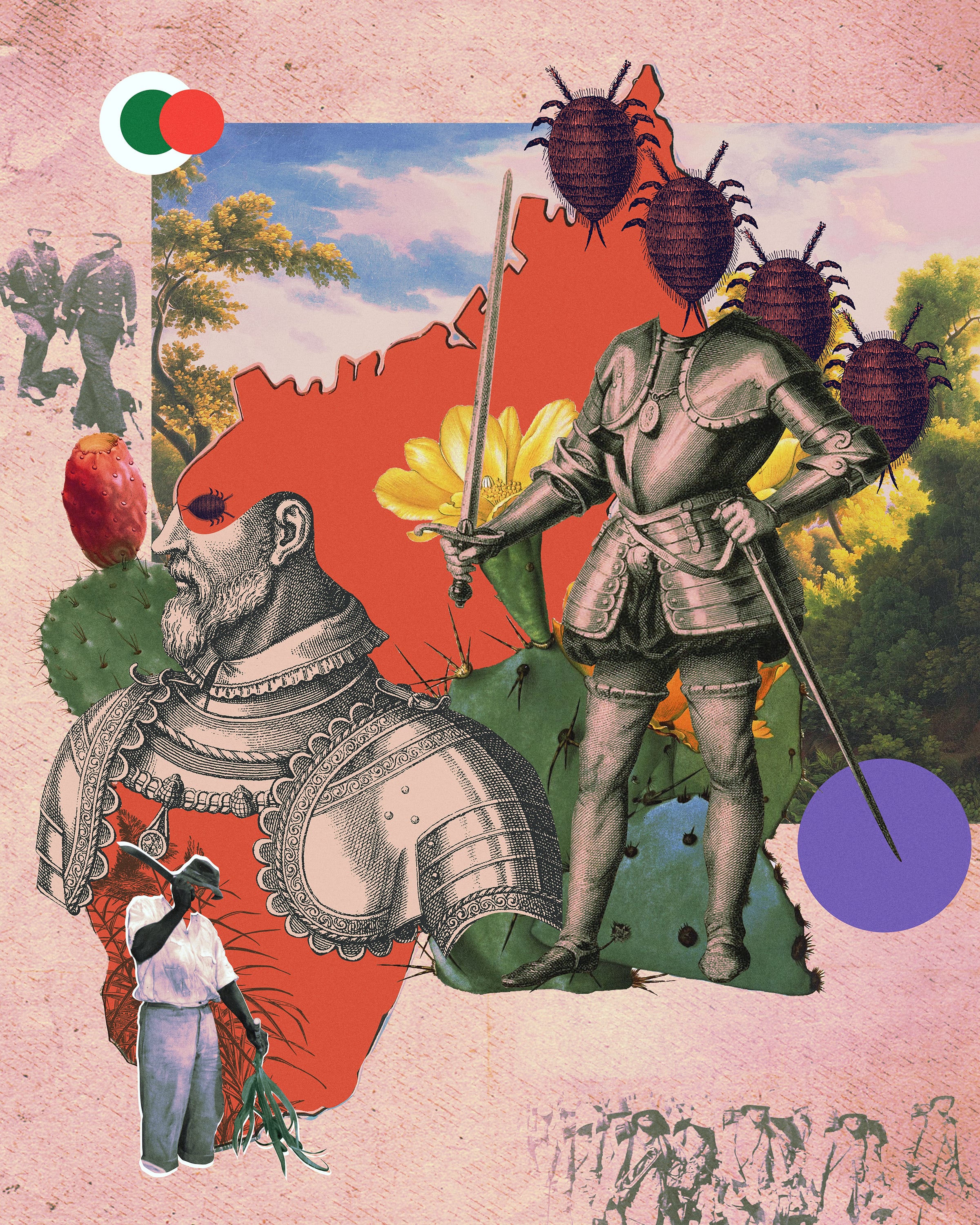
France spent centuries trying to establish a long-term colony in Madagascar to no avail. They’d been kicked out twice by the 1800s, when an “unknown person” introduced the cochineal to the island — with disastrous consequences for the Malagasy people.
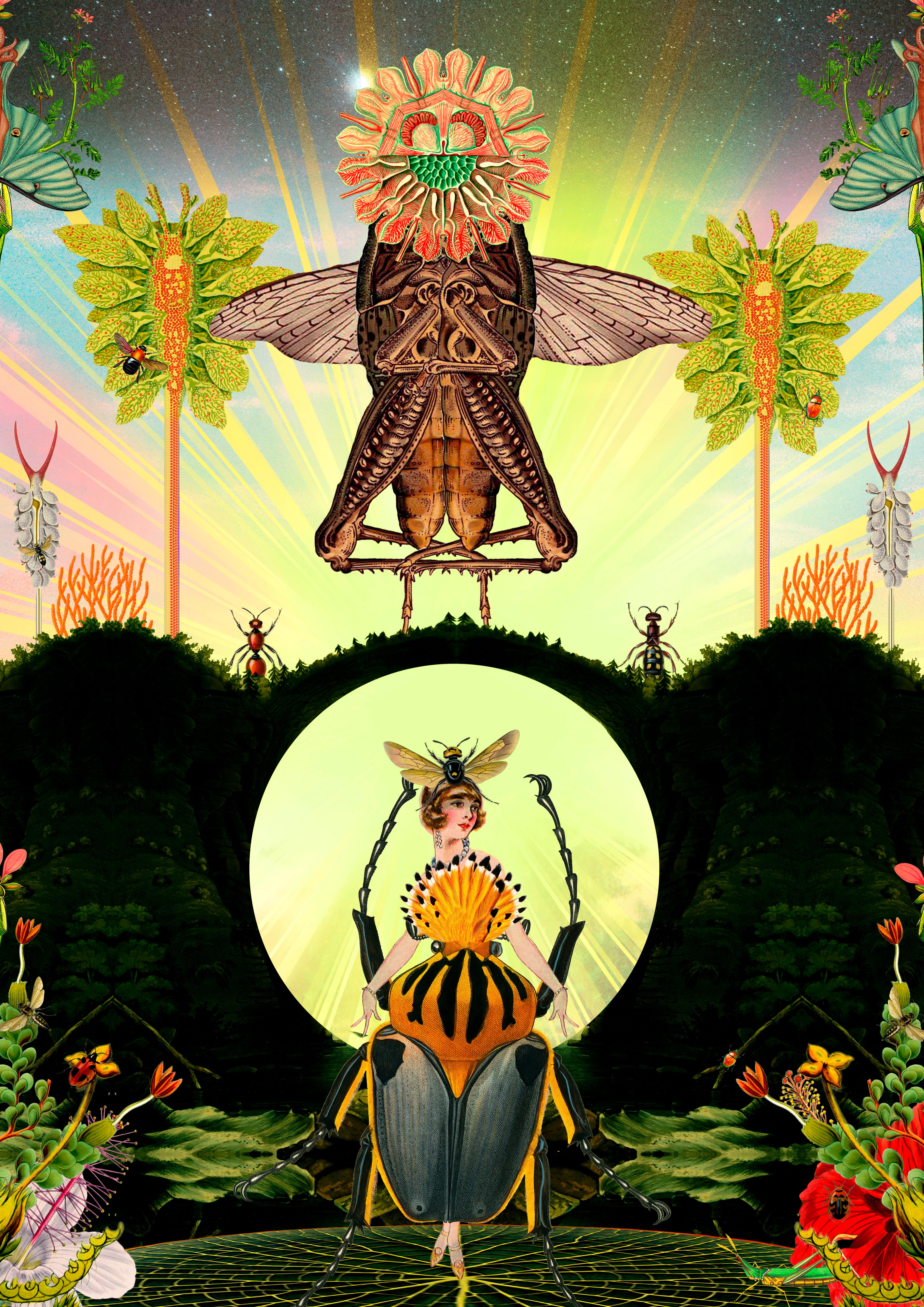
Eating insects dates way back into Mexico’s history, yet today it is driving cool culinary trends enjoyed by the upper classes and foreigners. As we slowly embrace entomophagy, the Mexican experience offers lessons for all about embracing the practice — including the ills we must avoid repeating.

Since a 2013 UN report recommended humans start eating insects, consuming critters has emerged as a viable solution to improving the sustainability and security of our diets. But, as the experience of India’s indigenous and Dalit communities shows, we first have to recognize the historical importance and present reality of the practice before we can ‘solve’ anything.